Ancient Coins
Coins struck before 1400: Roman Republic and Empire denarii, Greek tetradrachms and Tarentine nomoi, and Celtic and Byzantine pieces in silver, bronze and gold.
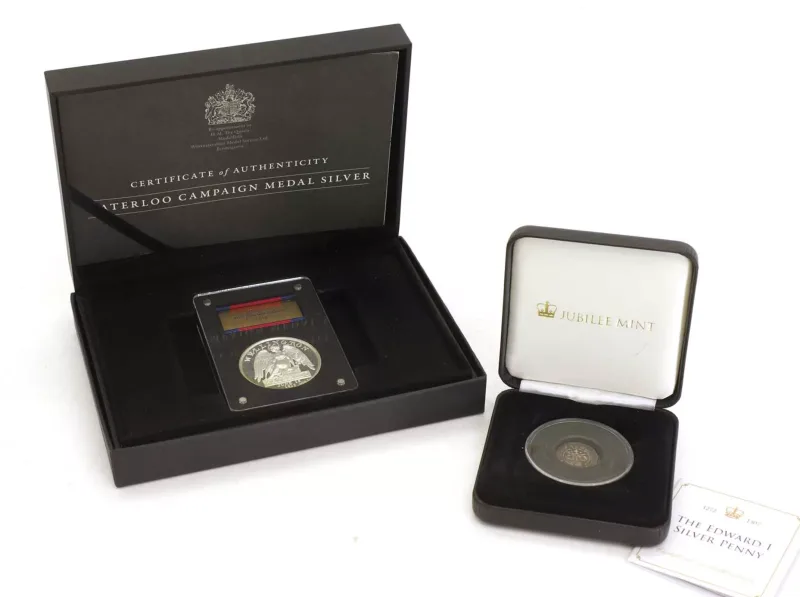
A silver Waterloo Campaign medal in fitted box with Certificate of Authenticity, together with a Jubilee Mint Edward I 1272-1317 hammered silver penny
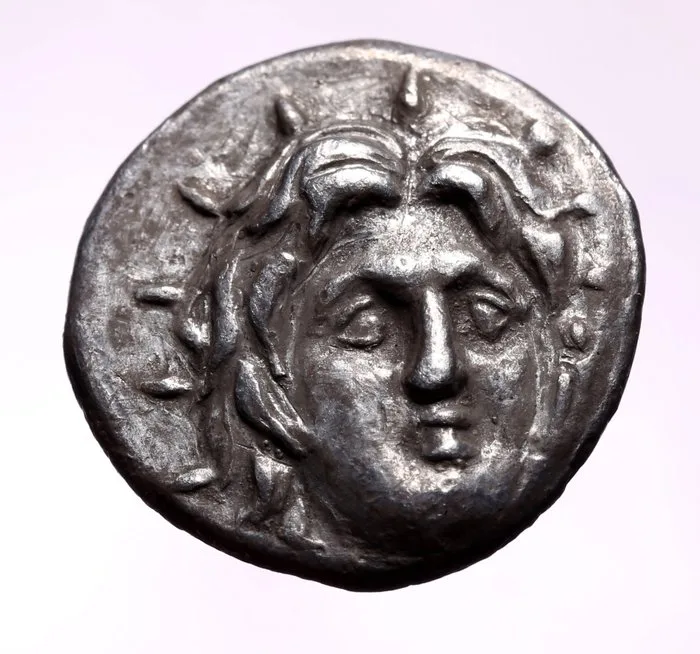
Islands off Caria, Rhodes Didrachm 250-229 BC, rare variant with standing Athena
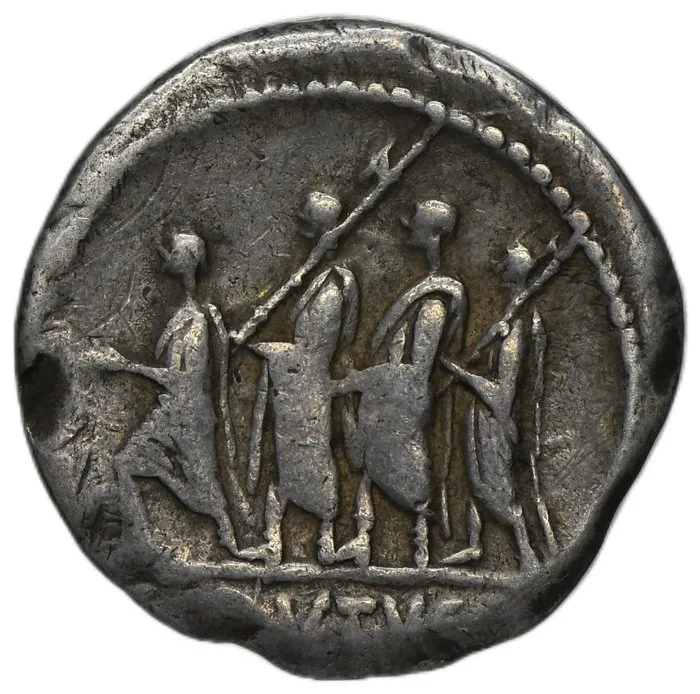
Roman Republic (Imperatorial). Marcus Iunius Brutus. Denarius 54 BC
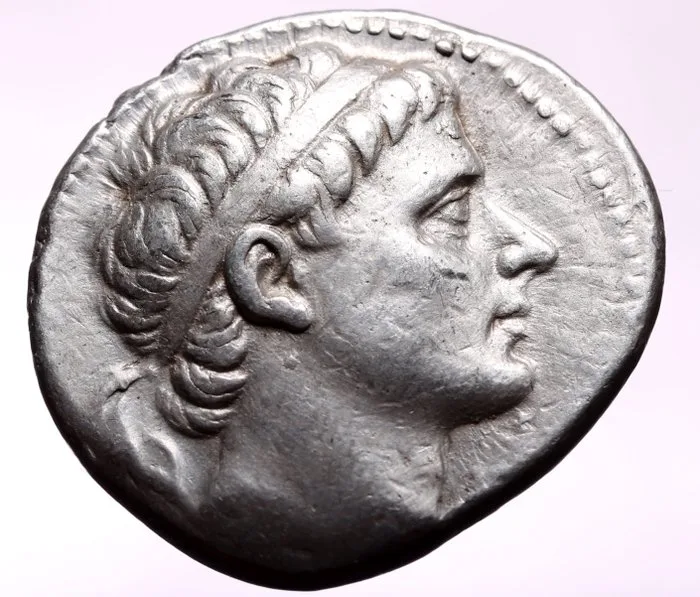
Seleucid Kingdom. Antiochos Hierax (242-227 BC). Tetradrachm Rare
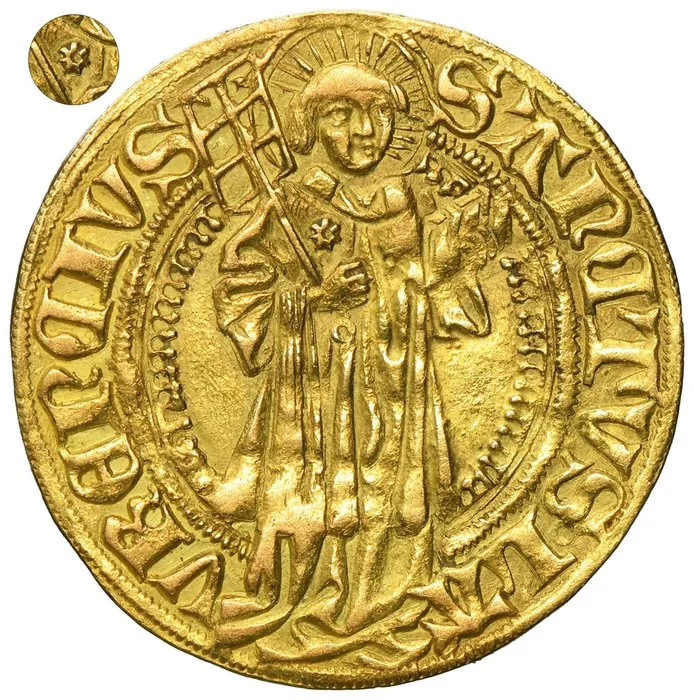
German States, Nürnberg (Nuremberg, Free Imperial City) Goldgulden 1506-1547
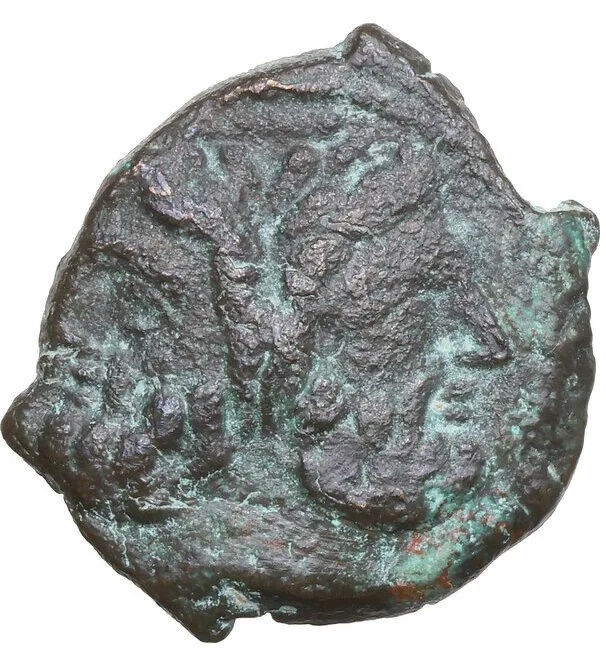
Roman Republic As 206-195 BC, RRR, Extremely Rare
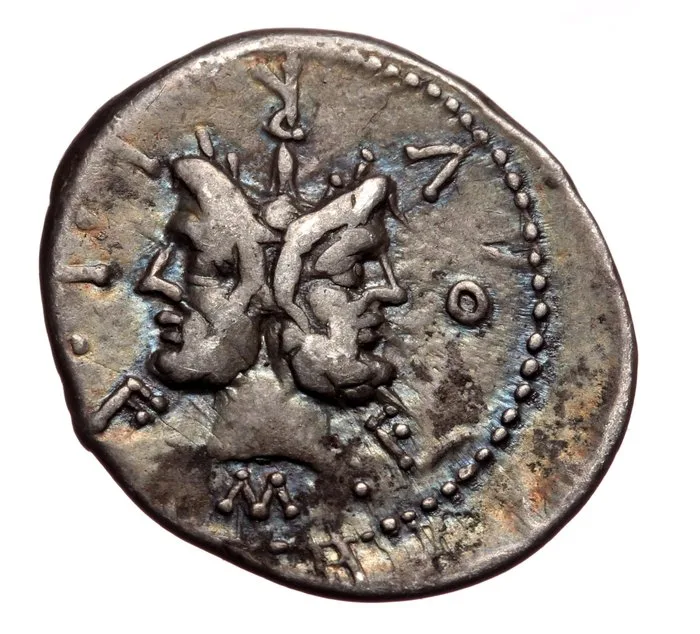
Roman Republic. M. Furius L. f. Philus 119 BC. Denarius Beautiful toning
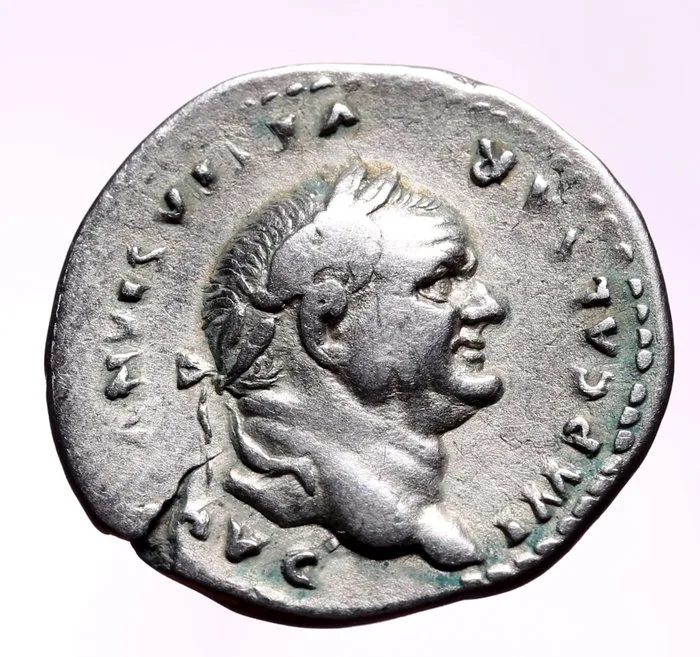
Roman Empire. Vespasian (AD 69-79). Denarius Nice portrait
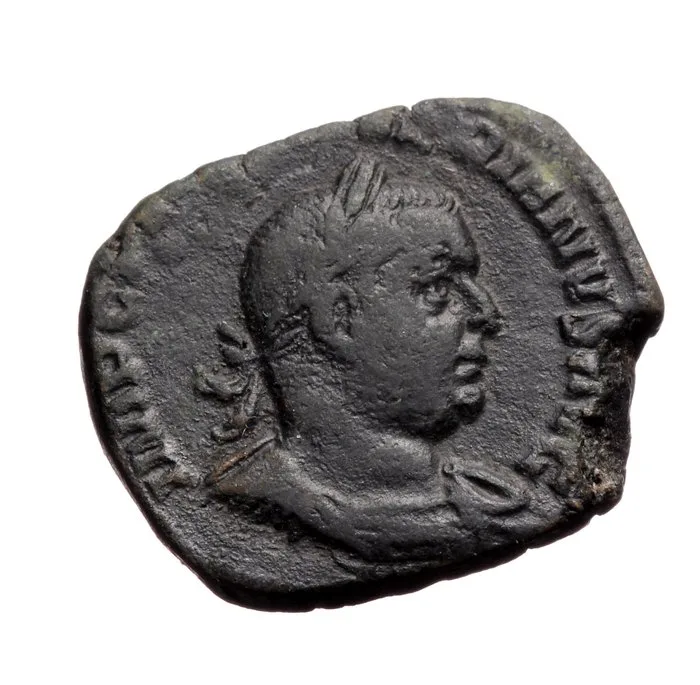
Roman Empire. Valerian I (AD 253-260). Sestertius Rare
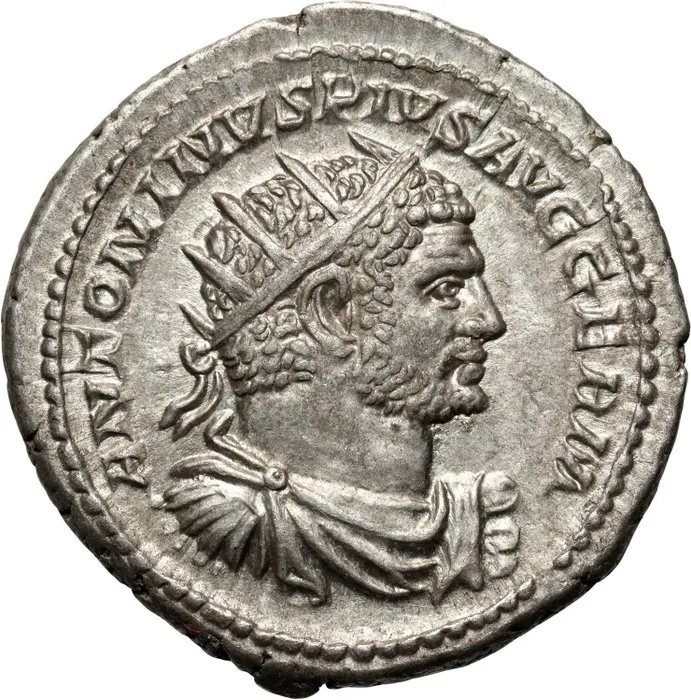
Roman Empire. Caracalla (AD 198-217). Antoninianus Wonderful condition + Rare bust!
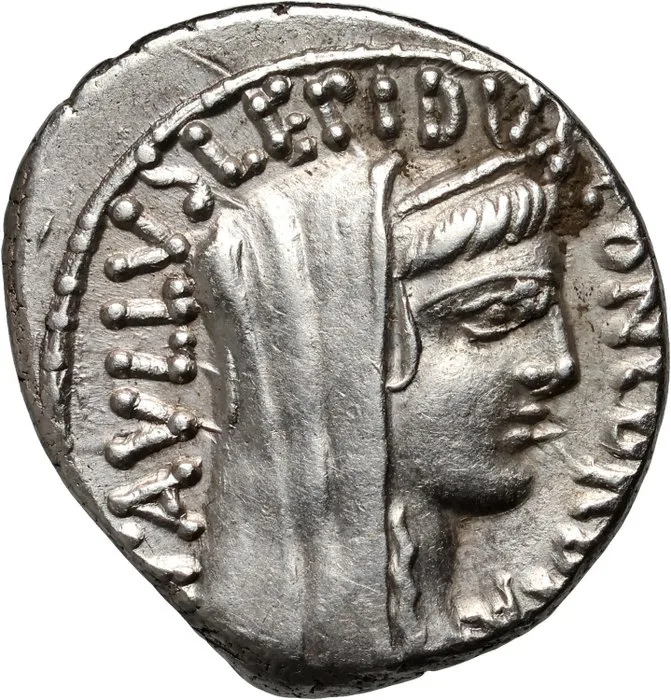
Roman Republic. L. Aemilius Paullus Lepidus, 62 BC. Denarius Rome
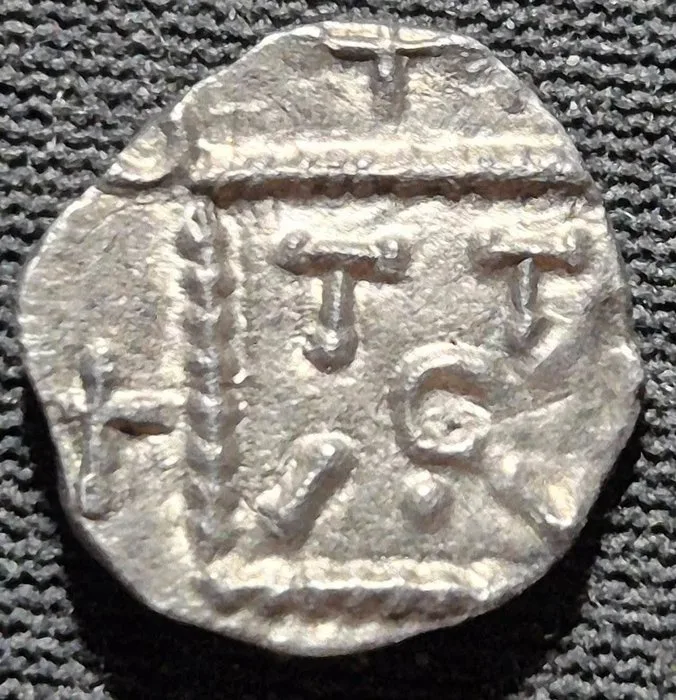
Medieval Frisia Sceat 695-740 AD, Metcalf type "E"
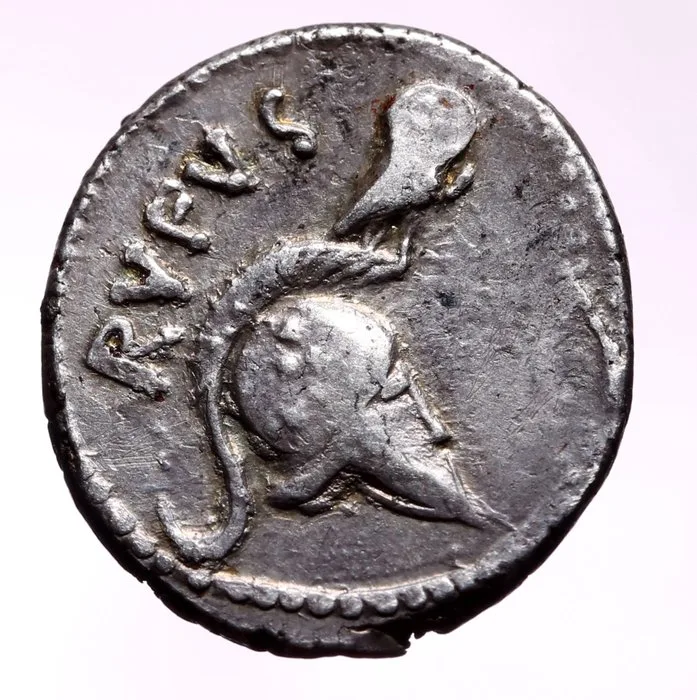
Roman Republic. Mn. Cordius Rufus, 46 BC. Denarius Aegis decorated with head of Medusa
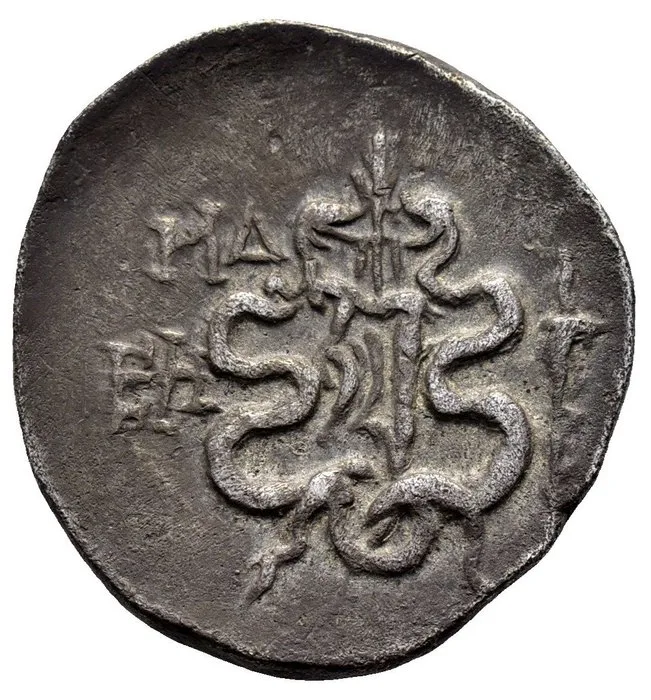
Ionia, Ephesos Cistophorus 180-67 BC (dated CY 44 = 91/0 BC)
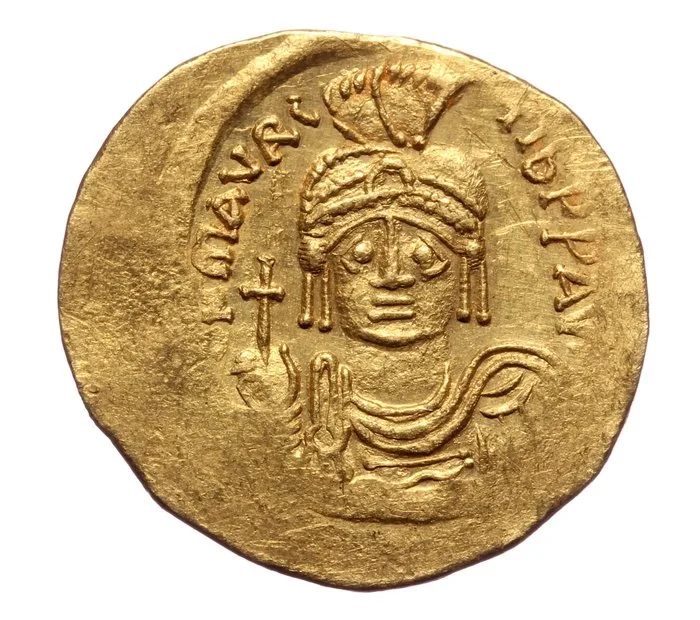
Byzantine Empire. Maurice Tiberius (AD 582-602). Solidus Scarce variety
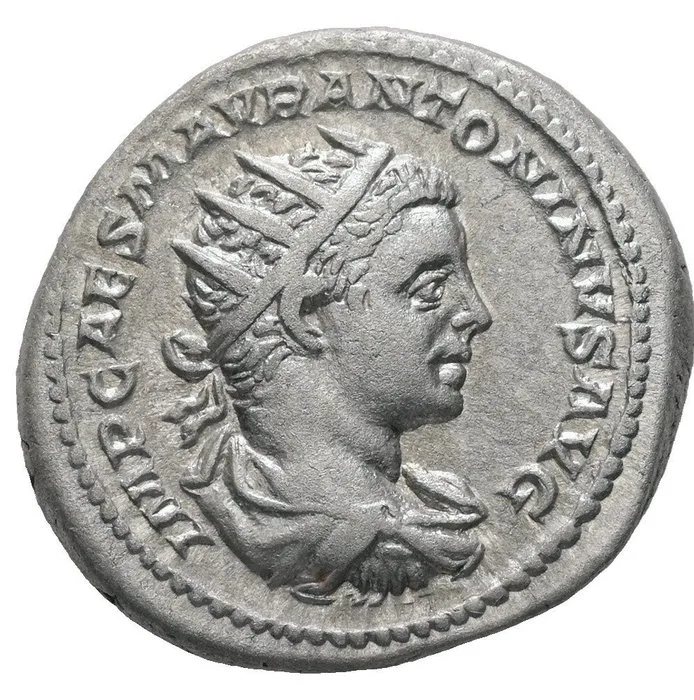
Roman Empire. Elagabalus (AD 218-222). Antoninianus Good portrait
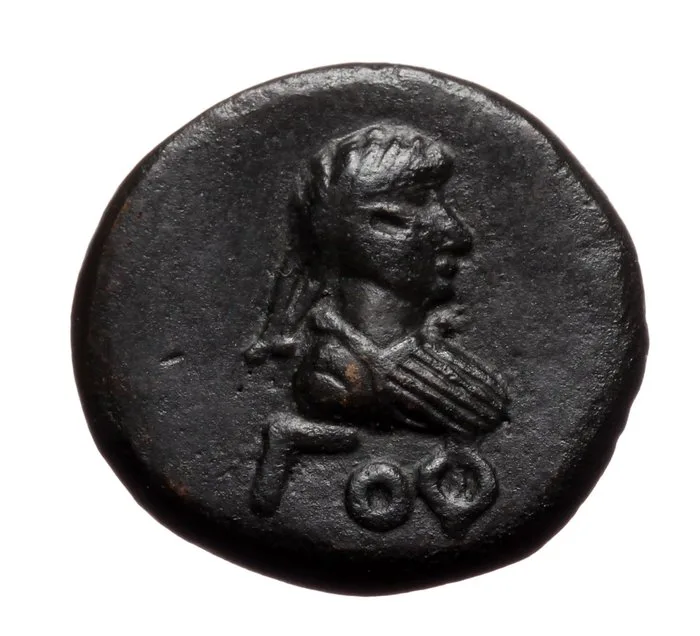
Bosporus, kings of. Thothorses (279-309 AD). Stater Very Rare!
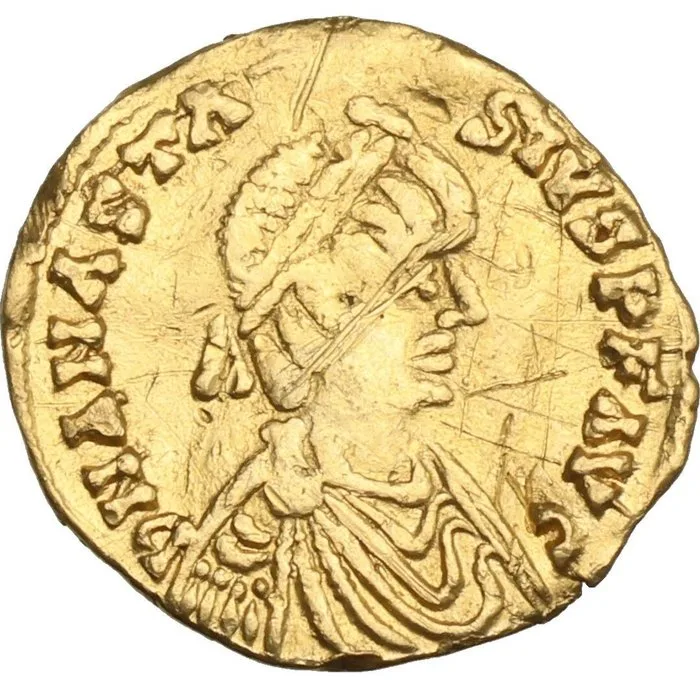
Ostrogoths. Theoderic as king of the Goths. Tremissis 474/5-493 AD
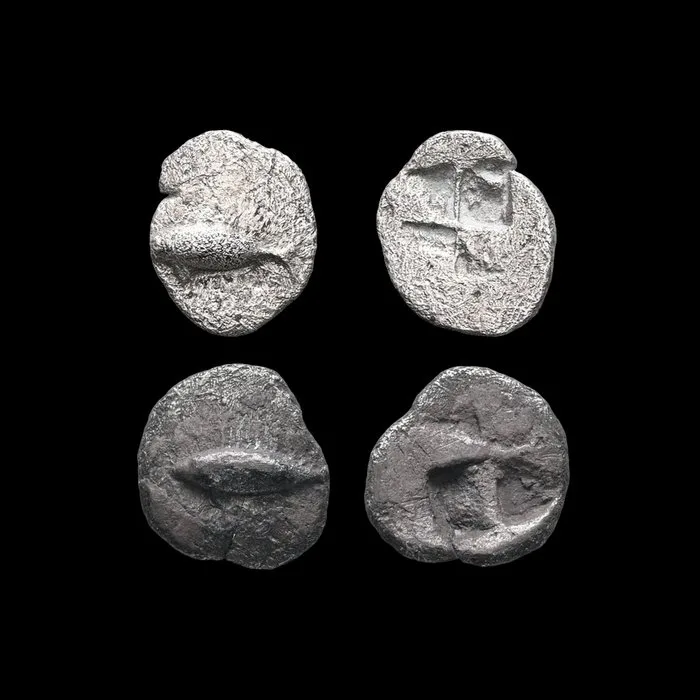
Mysia, Kyzikos Obol Ca. 550-500 BC. Set of 2
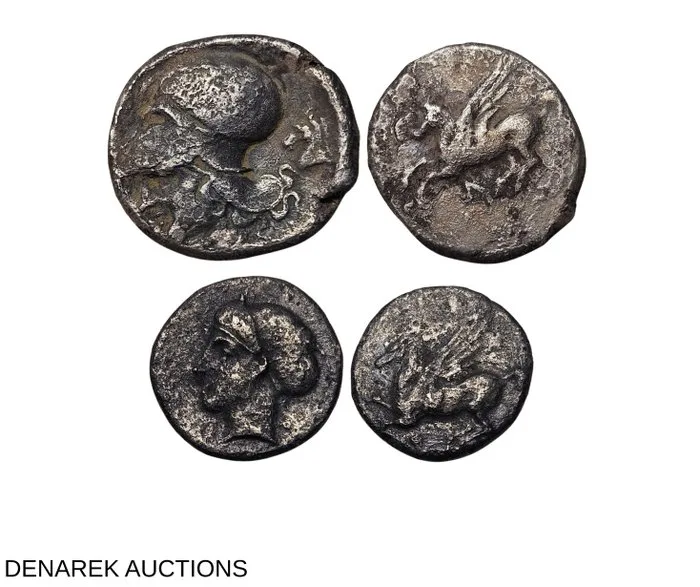
Corinthia, Corinth - Set of 2 Pieces AR Coins - (Circa 375-300 BC)
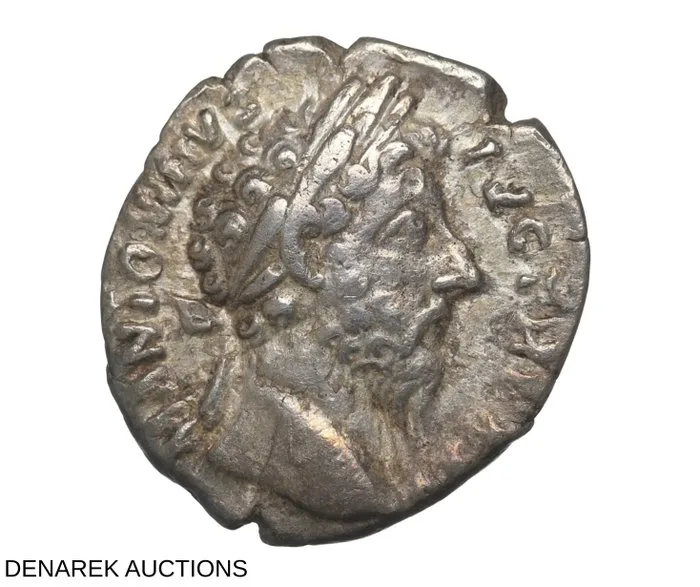
Roman Empire. Marcus Aurelius (AD 161-180). Denarius - Mars
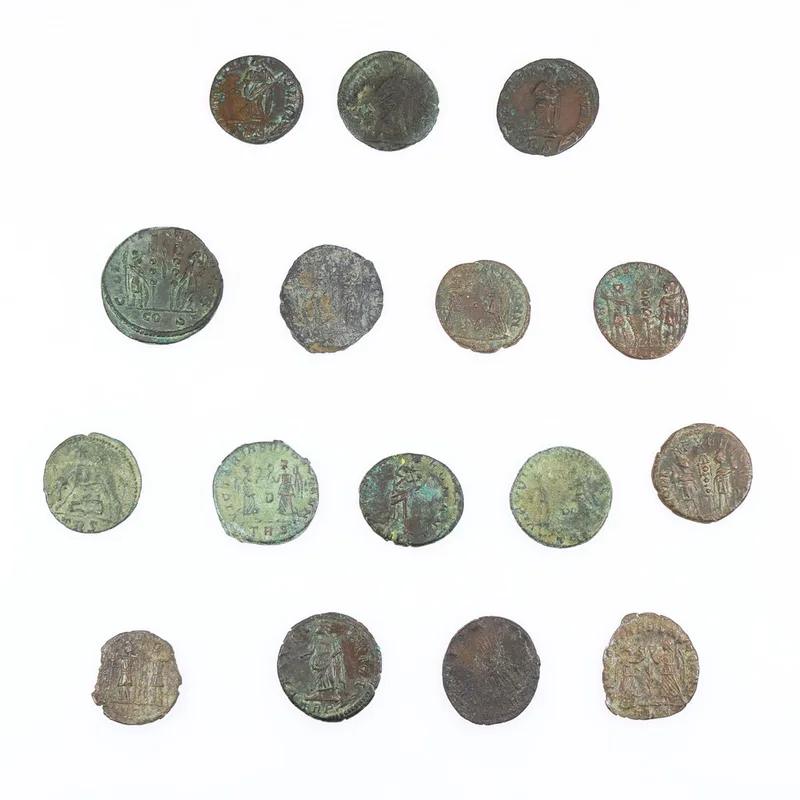
Roman Coins - Bronze Theodora Coins, Constantine Coins, Etc. (16)
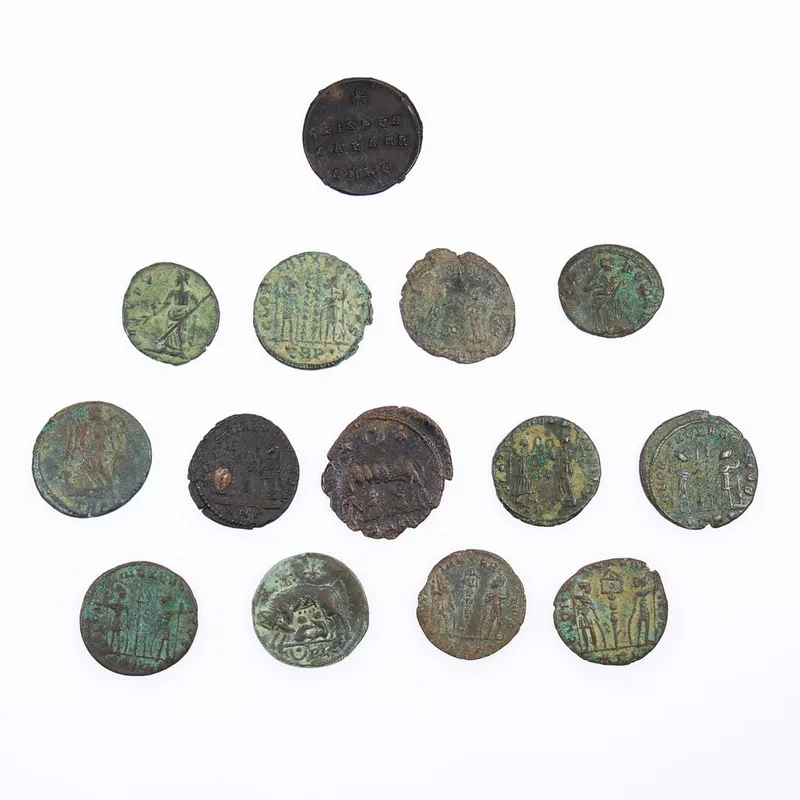
Roman Coins - Bronze Crispus Coin, Constantine, Urbs Roma, Etc. (14)
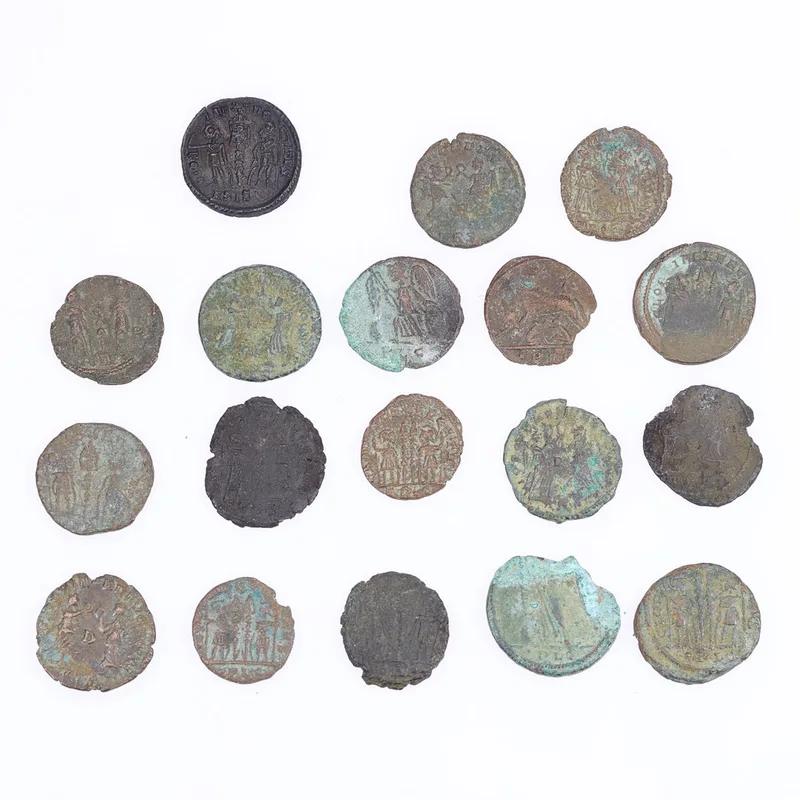
Roman Coins - Bronze Constantine Coins, and Orther Bronze Roman Coins. (18)
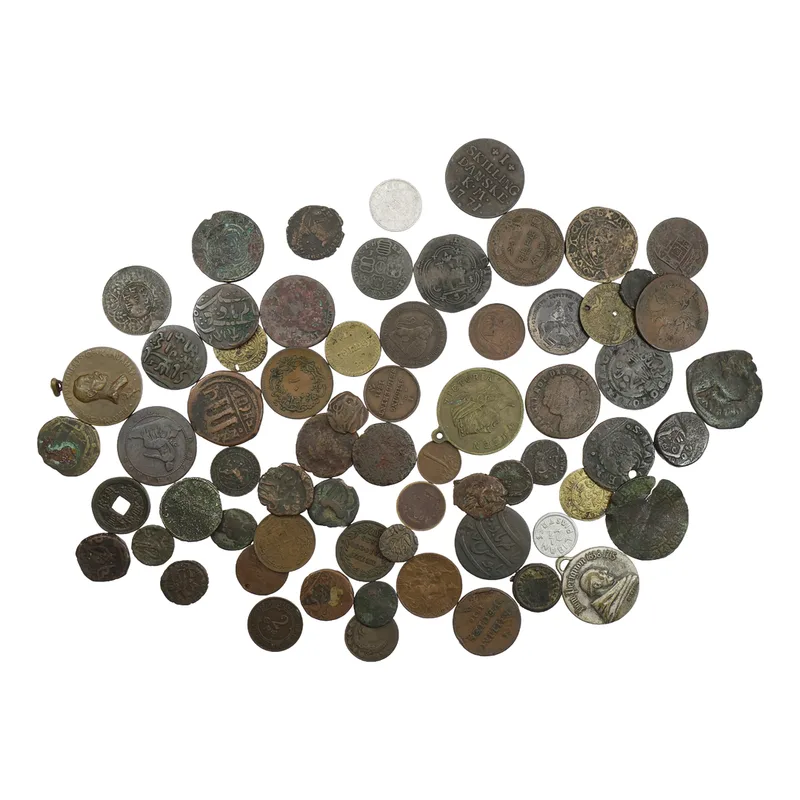
Vast and Varied Collection of Early Coinage, Inc. Roman. (a great deal)
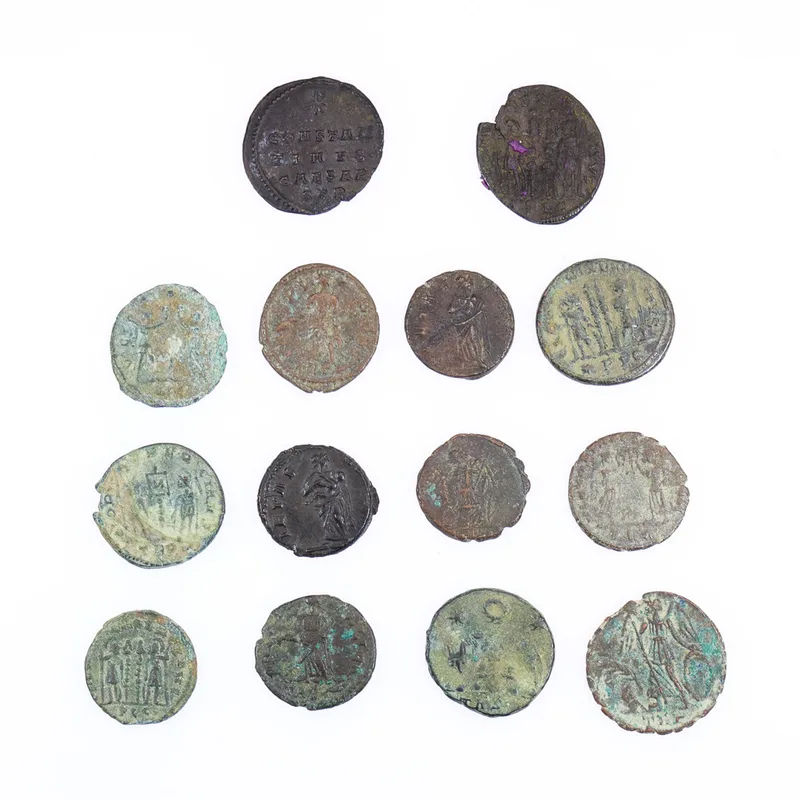
Roman Coins - Bronze Constantine Coin, Other Constantine Coins, Etc. (14)
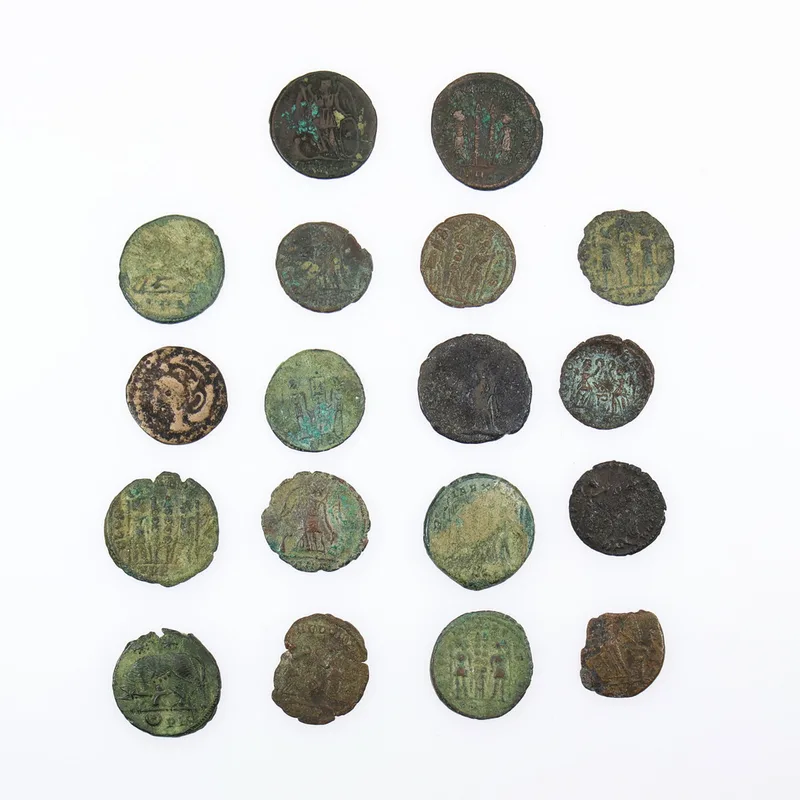
Roman Coins - Bronze Constantine I Coin, Urbs Roma, and Other Roman Bronze Coins, Etc. (18)
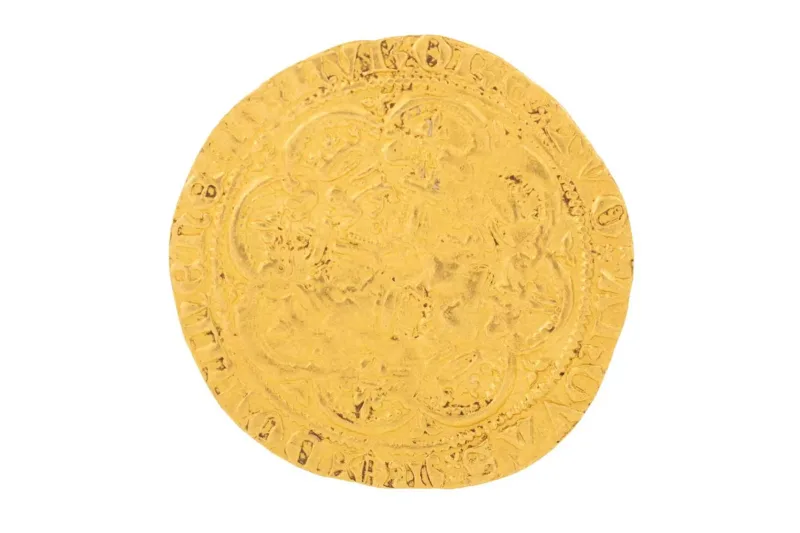
Edward III Hammered Gold Half Noble, 1327-1377
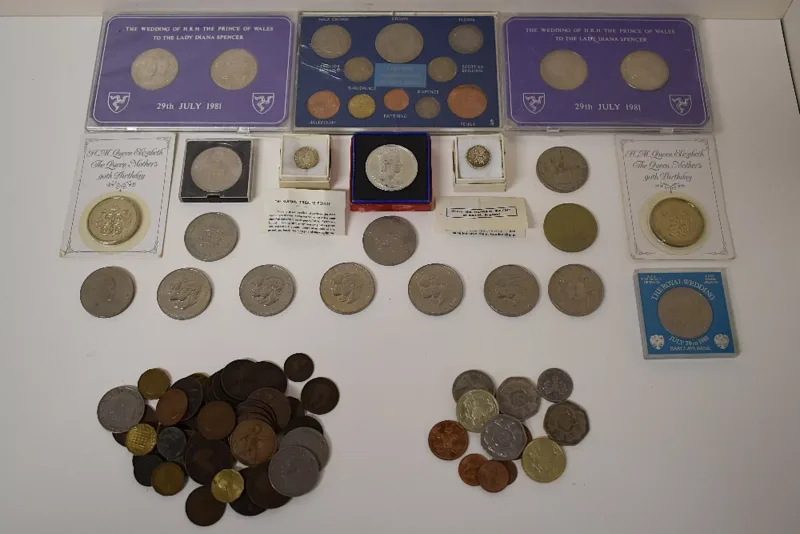
Silver Roman Replica 'Tribute Pennies' Emperor Tiberius Denarius, Housed In A Presentation Box From The Roman Baths At Bath
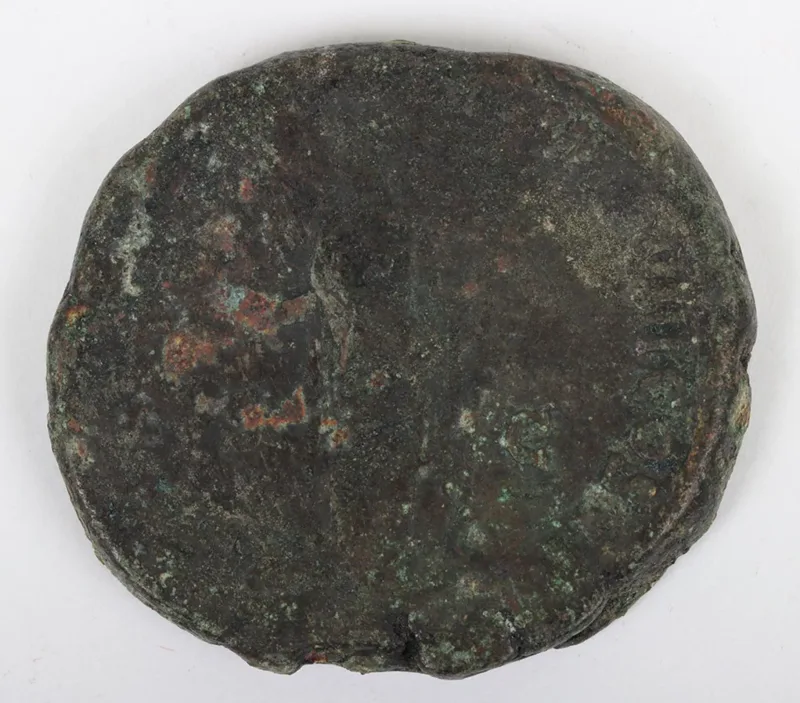
Commodus Sestertius
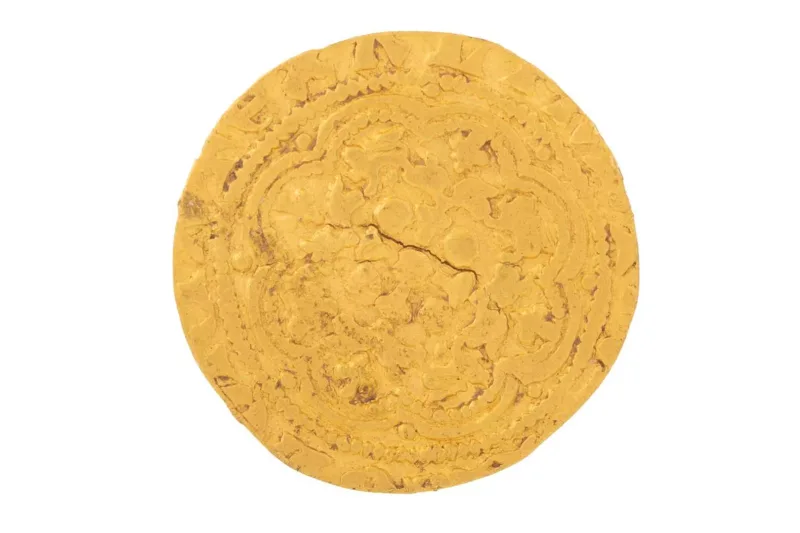
Edward III Hammered Gold Quarter Noble, 1327-1377
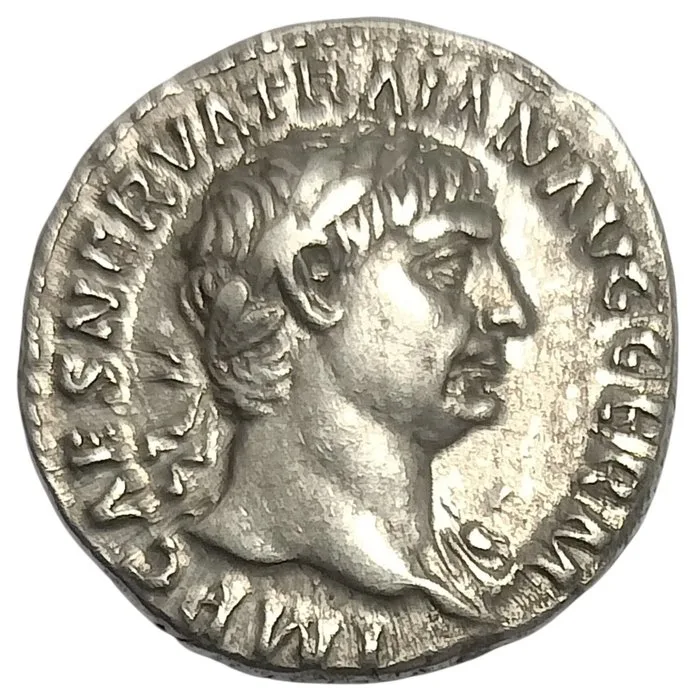
Roman Empire. Trajan (AD 98-117). Denarius Rome 100 AD
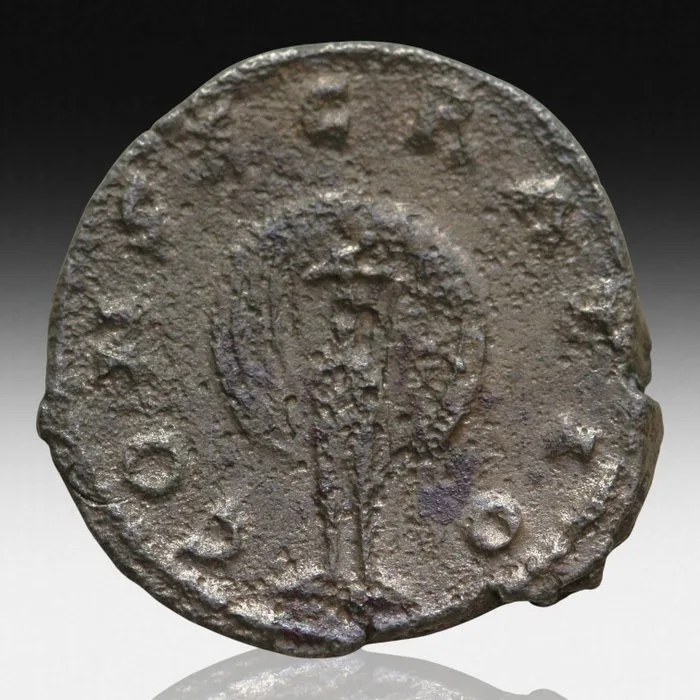
Roman Empire. DIVA MARINIANA (Died before 253). Antoninianus
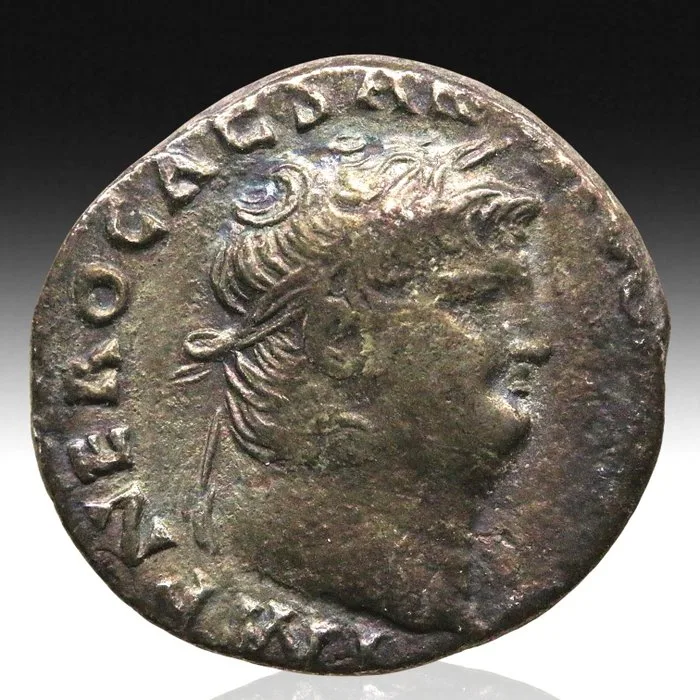
Roman Empire. Nero (AD 54-68). Denarius
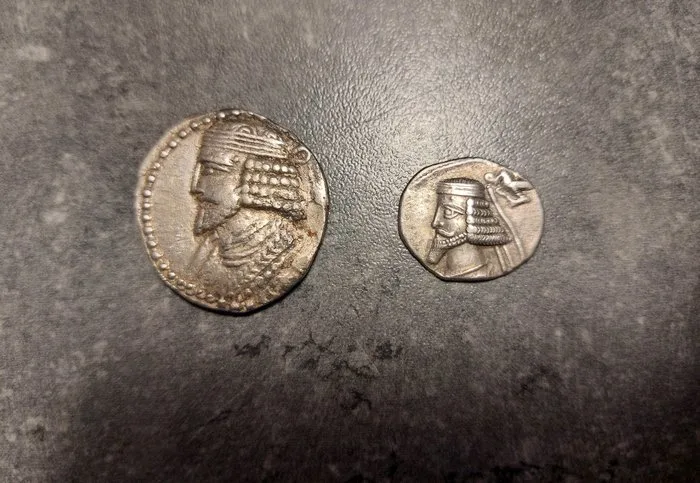
Parthian Kingdom Set of 2 AR coins incl.: Tetradrachm & Drachm
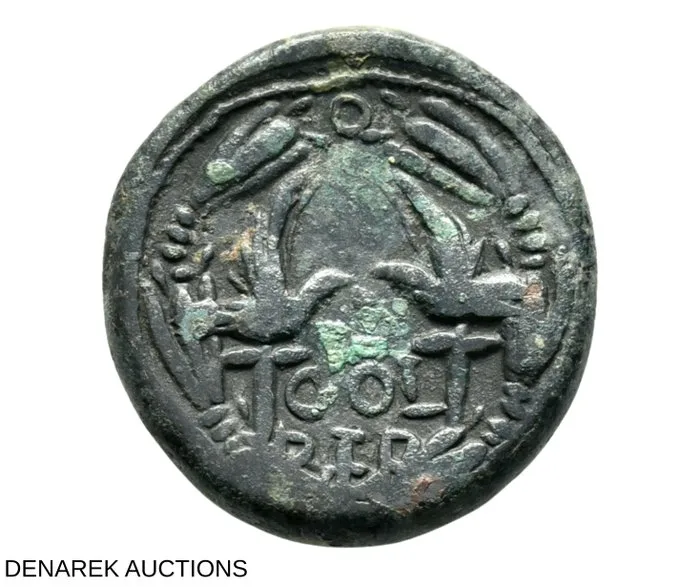
Roman Empire (Provincial), Phoenicia, Berytos. Hadrian (AD 117-138). Æ - Legionary
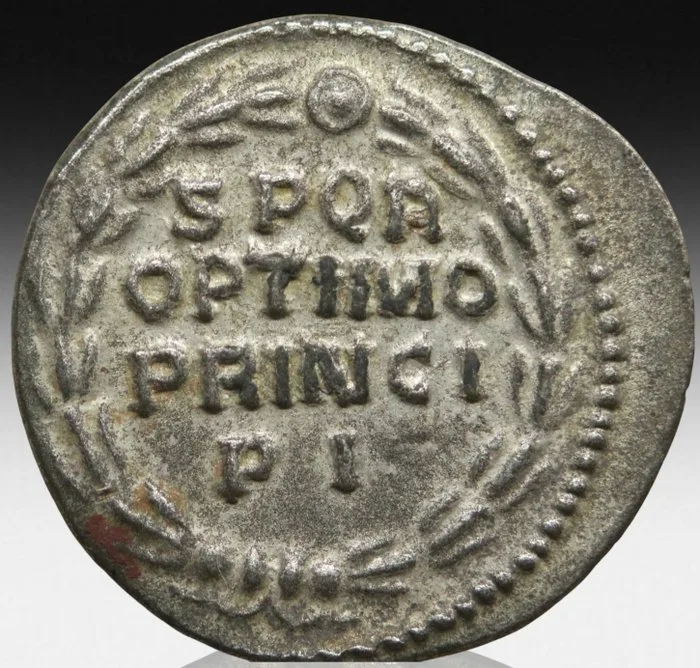
Roman Empire. Gallienus (AD 253-268). Antoninianus
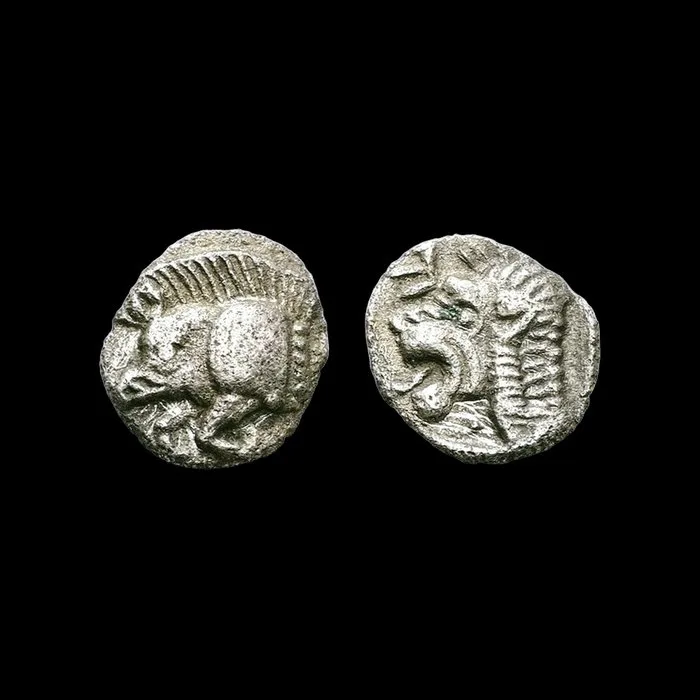
Mysia, Kyzikos Hemiobol 450-400 BC
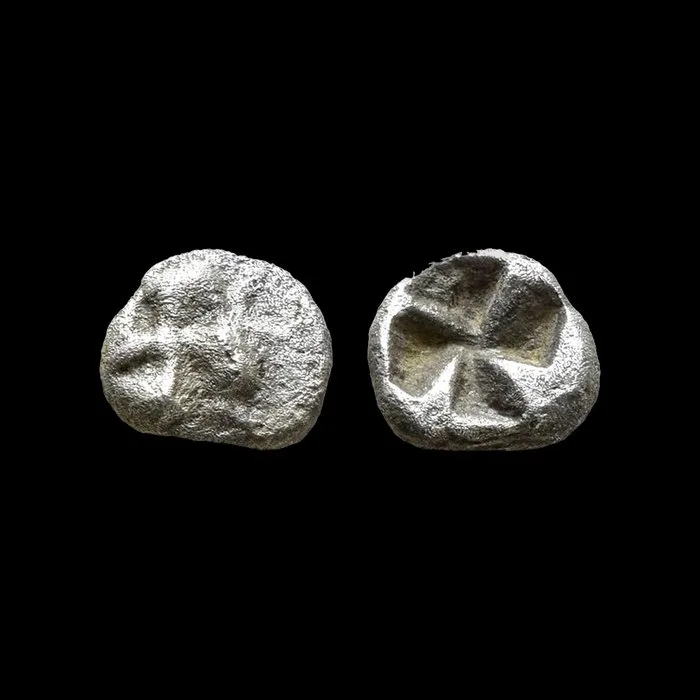
Ionia, uncertain mint 1/24 Stater Ca. 625-600 BC
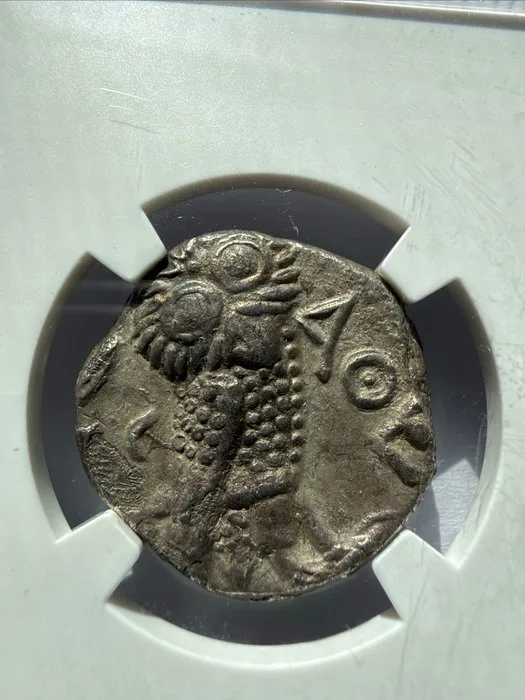
Attica, Athens Tetradrachm c. 393–294 BC
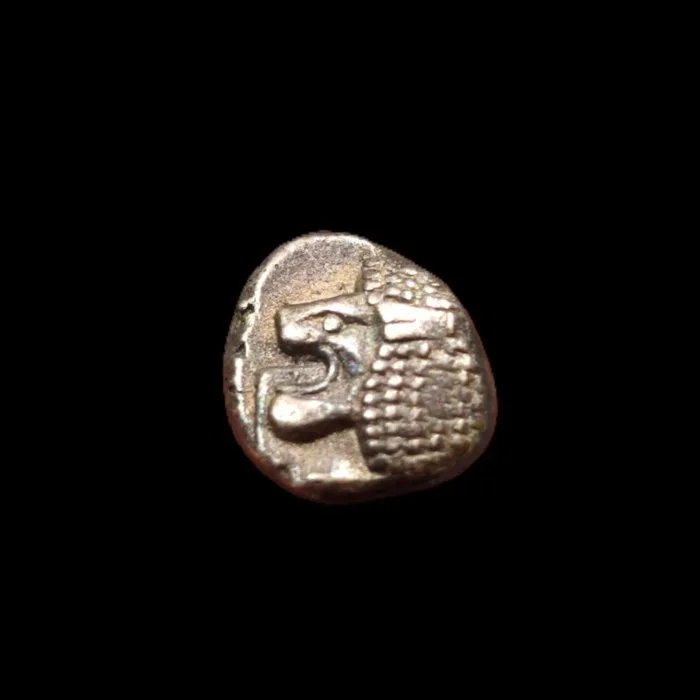
Ionia, Miletos Diobol Late 6th-early 5th century BC Lion / Stellate pattern
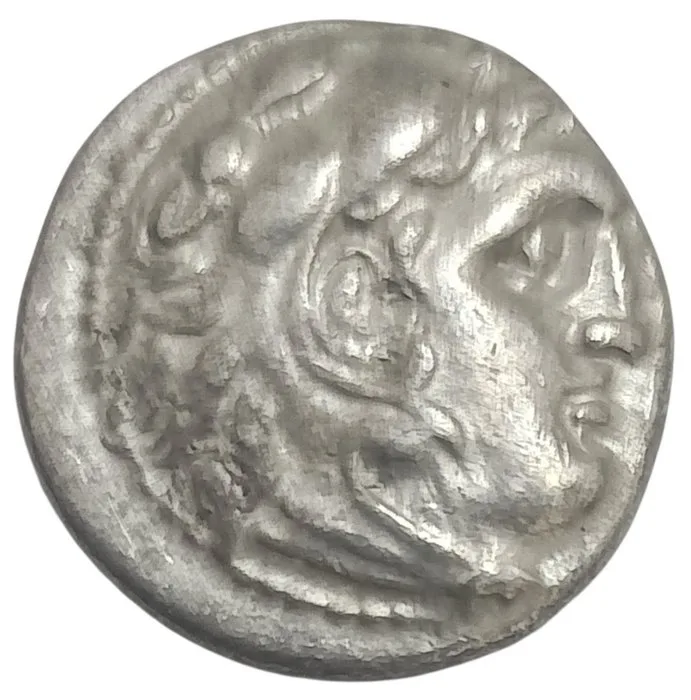
Kings of Macedonia. Philip III, Arrhidaios (323-317 BC). Drachm Magnesia ad Maeandrum 323-319 BC. In the types of Alexander III
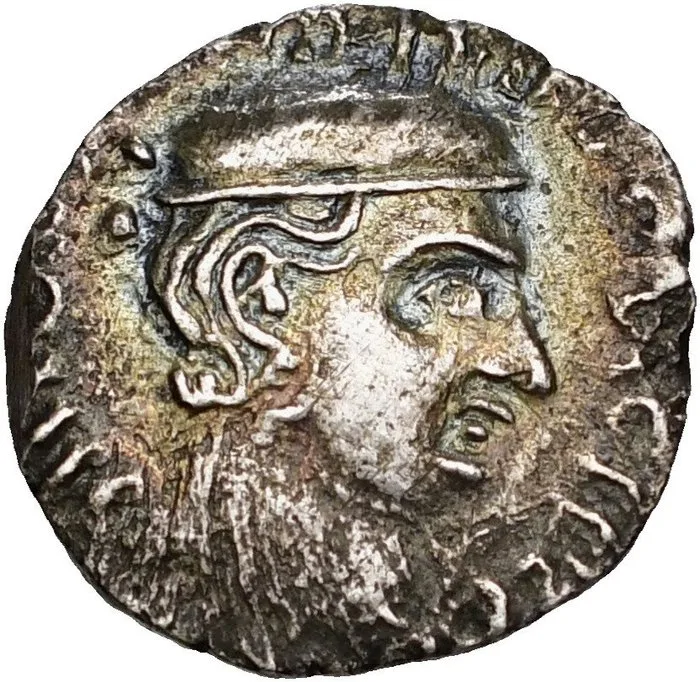
Indo-Skythians, Auspicious Faces. Rudradaman (c. AD 130-150). Drachm
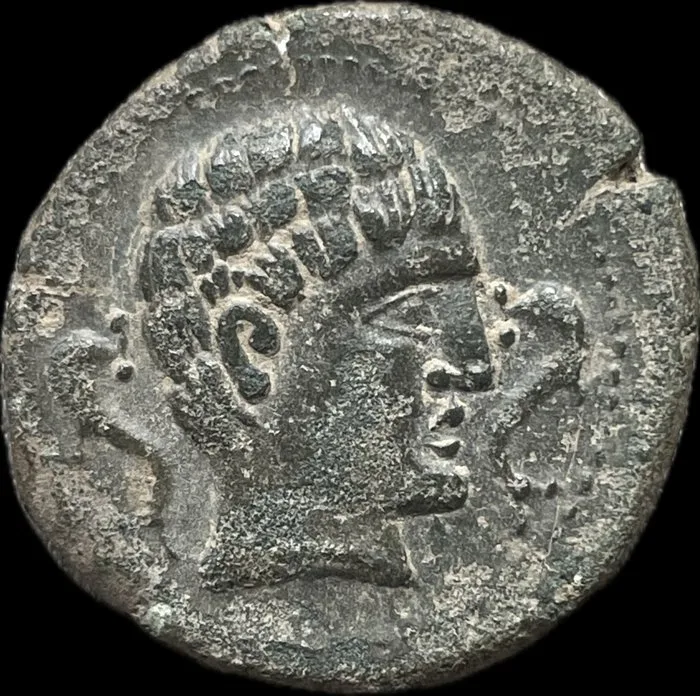
Hispania, Secaisa As 130 - 72 a.C
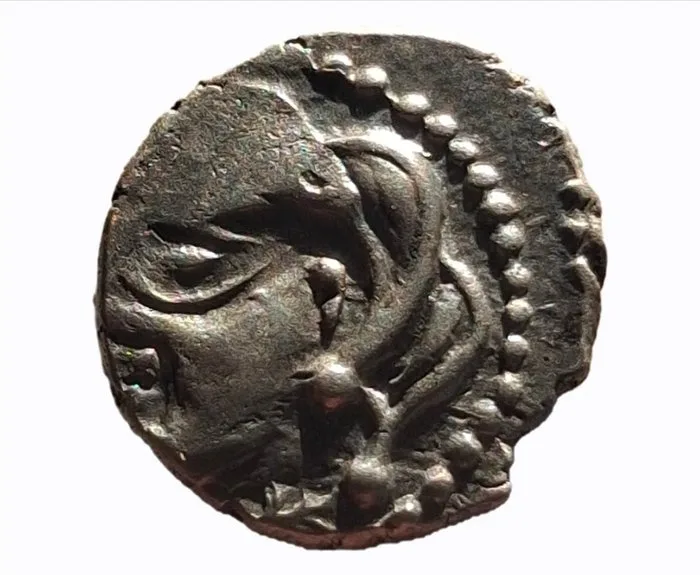
Celts, Bituriges Denarius 1er siècle avant Jésus - Christ
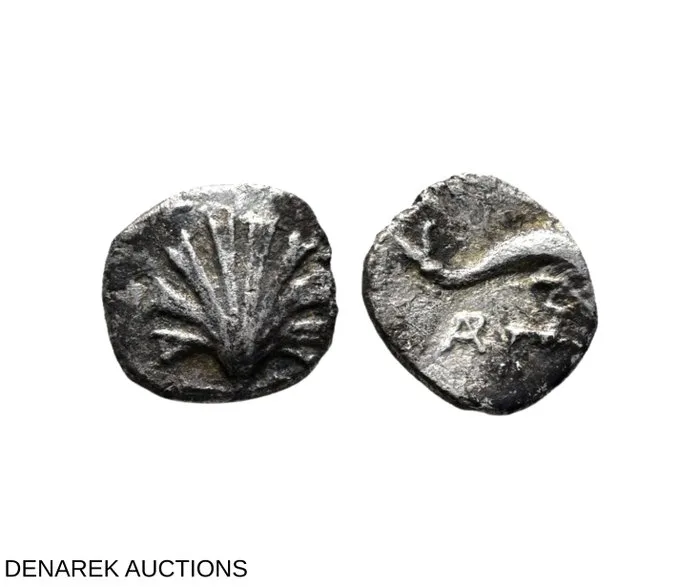
Calabria, Tarentum Litra - (Circa 420-228 BC) - Rare
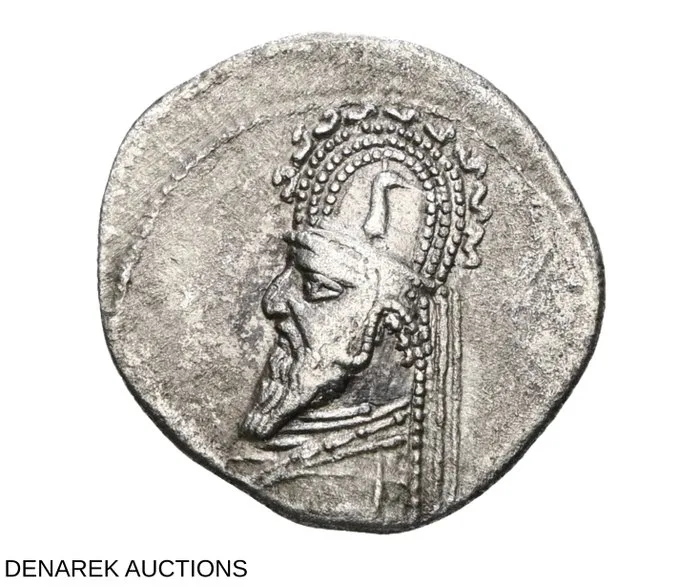
Parthian Kingdom. Sinatrukes (93/2-70/69 BC). Drachm
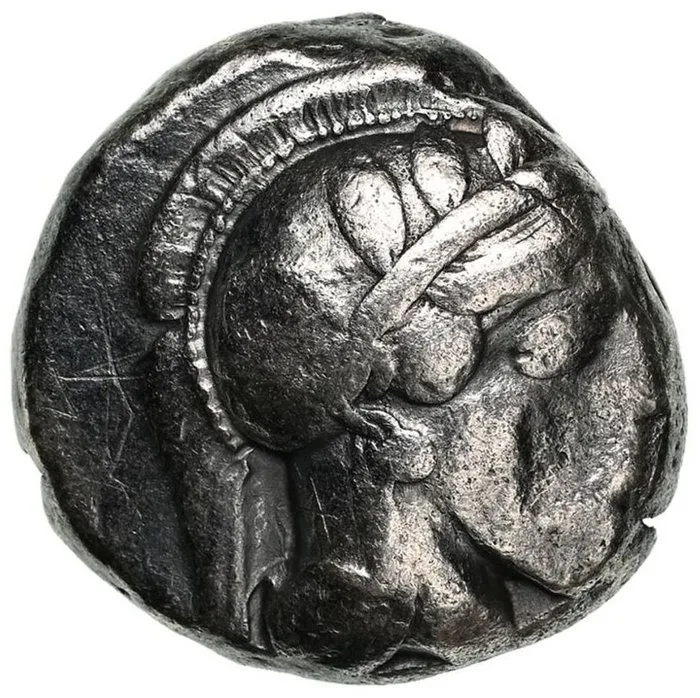
Attica, Athens Tetradrachm 454-404 B.C. - Athena und AΘE Eule
What is in Ancient Coins
Most coins here are silver Roman denarii, from Republican moneyers of the second and first centuries BC to emperors such as Augustus, Tiberius, Nero, Vespasian, Trajan and Hadrian. Greek coinage includes Athenian drachms and tetradrachms, nomoi from Tarentum in southern Italy and tetradrachms of Alexander the Great's successors. There are also Roman bronzes (as, dupondius, sestertius), Celtic tetradrachms and Byzantine gold.
Reading a listing
- Metal: AR means silver, AV gold and Æ bronze or copper alloy.
- Denomination: denarius, tetradrachm, nomos, stater, solidus and so on.
- Ruler: the emperor, king or Republican moneyer named on the coin.
- Weight: in grams. A denarius is typically between 3 and 4 g.
- Condition: usually VF (very fine) or EF (extremely fine), often with notes on toning or strike.
What to check
Ancient coins were struck by hand, so off-centre strikes, irregular flans and small die cracks are normal rather than faults. What lowers value is corrosion, porous surfaces, harsh cleaning and wear to the portrait. Toning, the grey or iridescent colour silver takes on over centuries, is valued by collectors. An old collector's ticket or envelope adds history to a coin. Compare a coin with standard references, such as Crawford for Republican denarii or RIC for Imperial issues, to confirm type and rarity.
Prices
Most coins here are between EUR 390 and EUR 1,800.
Frequently asked questions
What do AR, AV and Æ mean on ancient coins?
They are abbreviations for the metal. AR (from the Latin argentum) is silver, AV (aurum) is gold, and Æ is bronze or another copper alloy. Most Roman denarii and Greek tetradrachms are AR, Roman asses and sestertii are Æ, and Byzantine solidi and tremisses are AV.
Are off-centre strikes a defect on ancient coins?
Not usually. Ancient coins were struck by hand between two dies, so some misalignment, uneven flans and small cracks are normal. Collectors do prefer a well-centred coin with the full portrait and legend visible, and such coins cost more, but an off-centre strike is not damage in the way corrosion or harsh cleaning is.
How much does a Roman denarius weigh?
A Roman silver denarius normally weighs between about 3 and 4 grams and measures roughly 17 to 20 mm across. Republican denarii are generally at the heavier end. Later Imperial denarii became lighter and less pure as the silver content was reduced over time, so weight helps date and identify a coin.