Banknotes
Banknotes from the late 1800s to today: Italian lire, Spanish pesetas, French francs, colonial and military issues, early euro notes and bundles of consecutive notes.
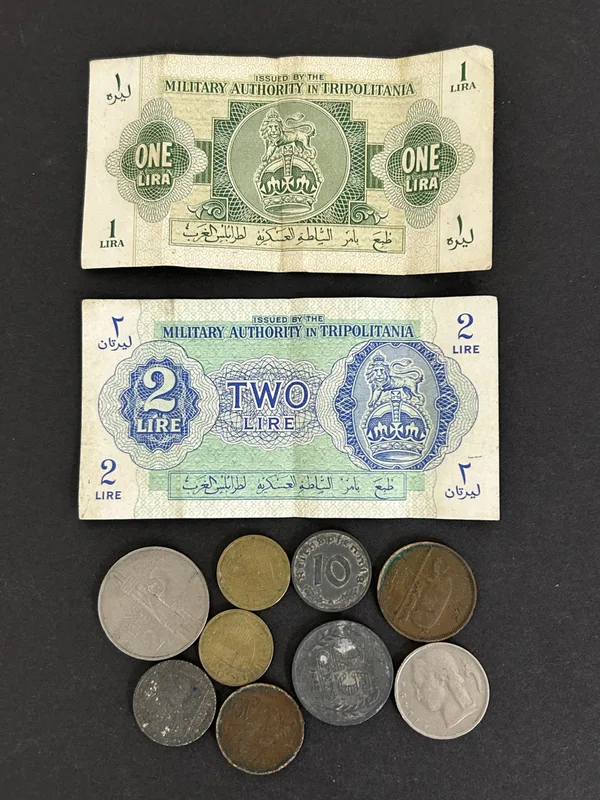
Two vintage 'Tripolitania' Military Authority Lira notes together with odd coins including one WW2 German example
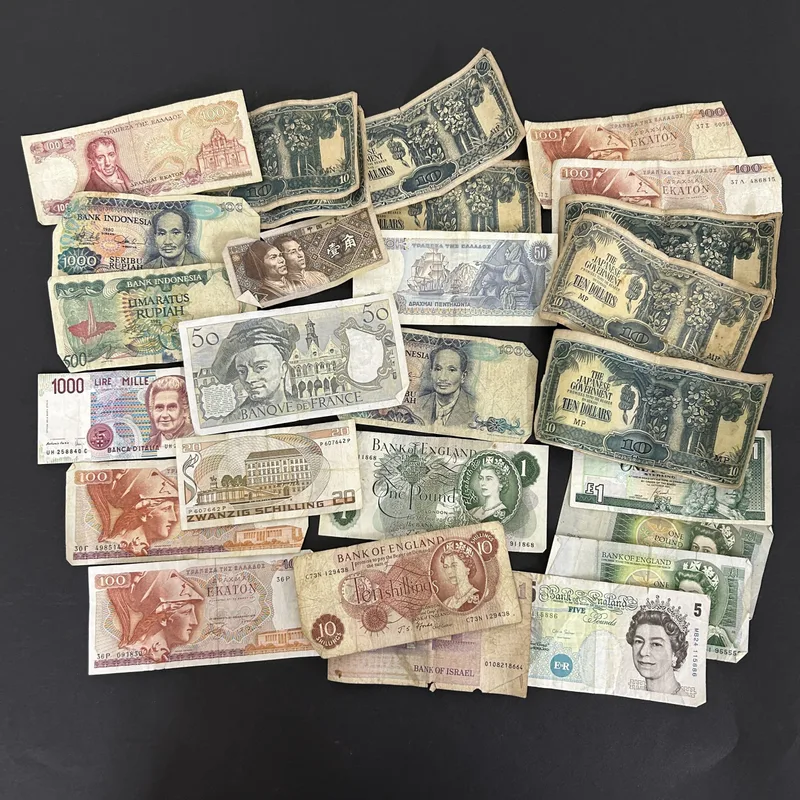
A selection of UK and world banknotes (all in circulated condition)
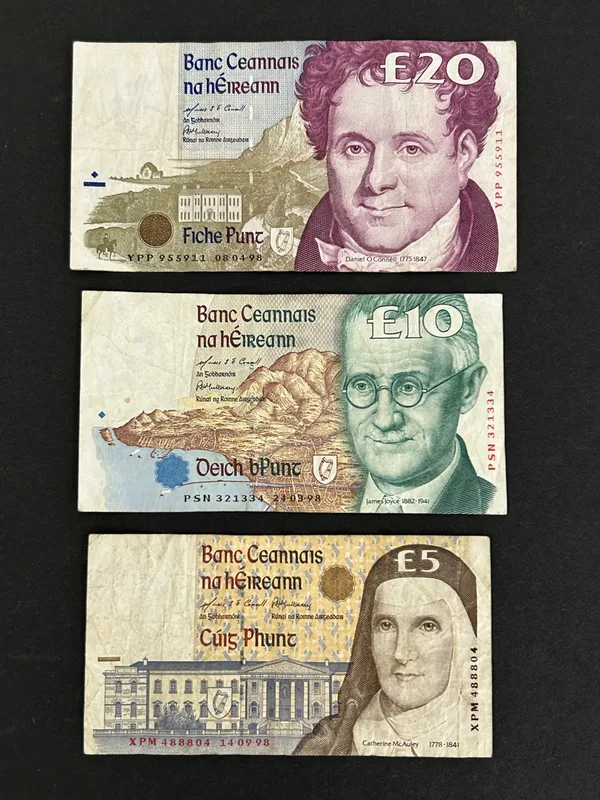
Three vintage pre Euro Irish banknotes, £5, £10 and £20 (all circulated)
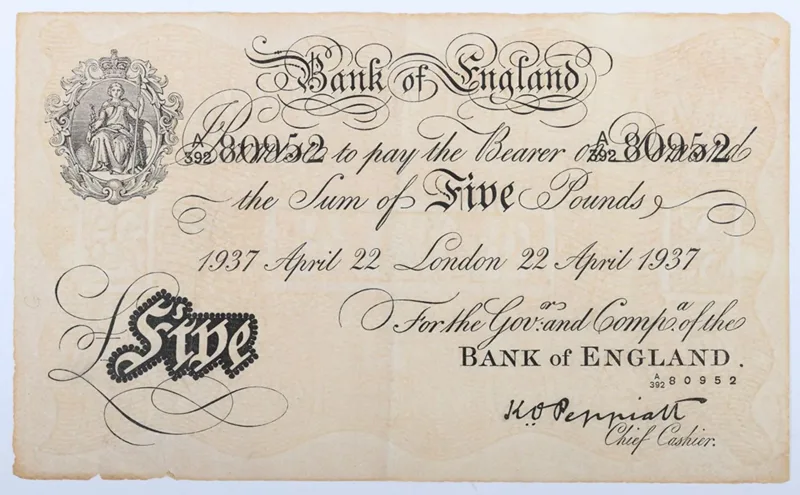
Bank of England, Five Pounds, Peppiatt 'White Fiver', 1937, serial A392 80952
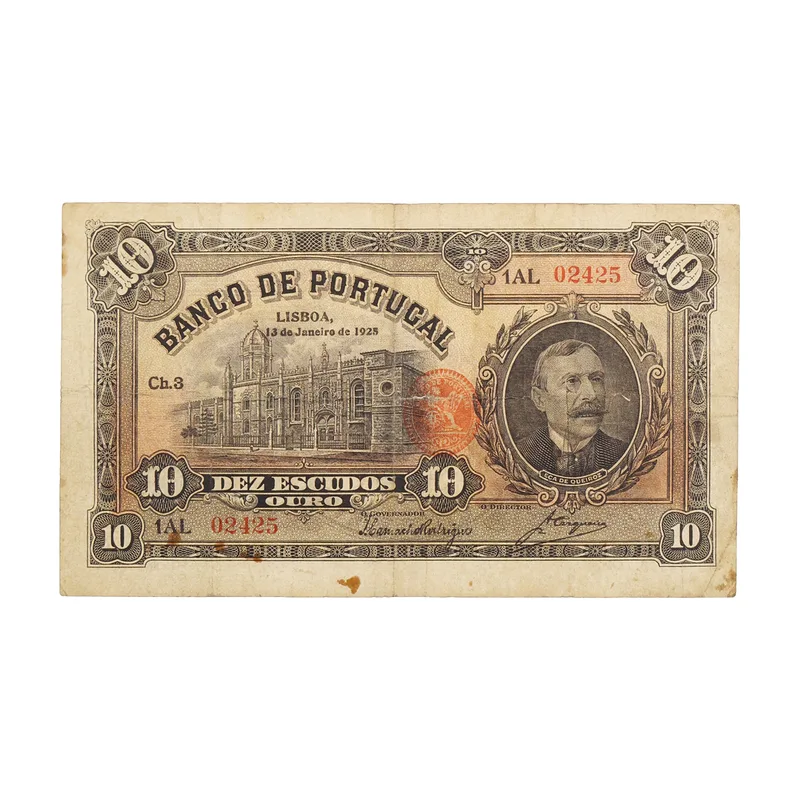
1925 Bank of Portugal 10 Escudos 3rd. Print Portuguese Banknote
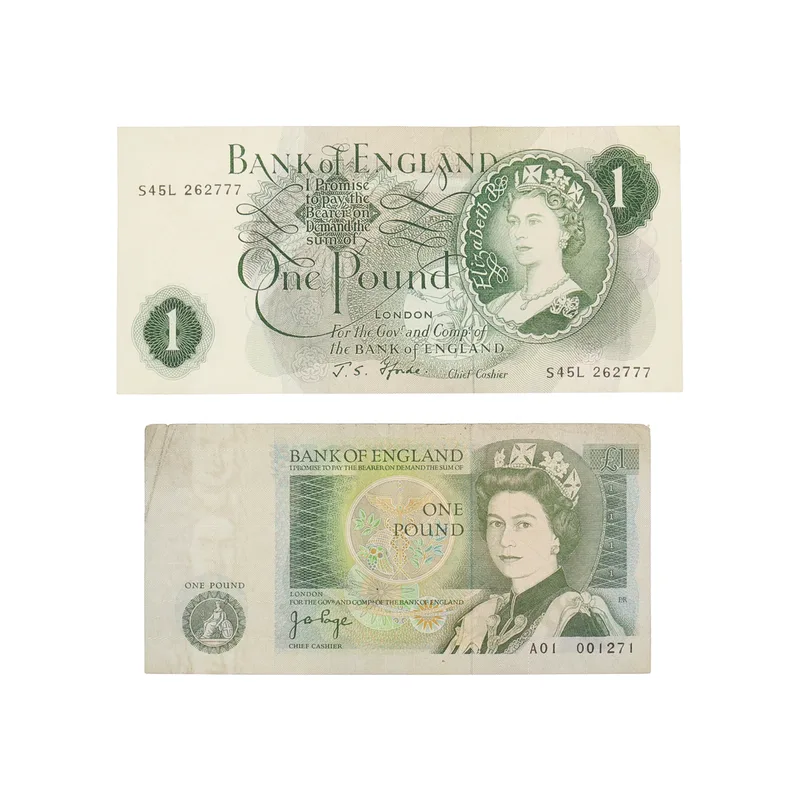
Newton AA01 £1 Note, and a Series 'C' Issue £1 Note. (2)
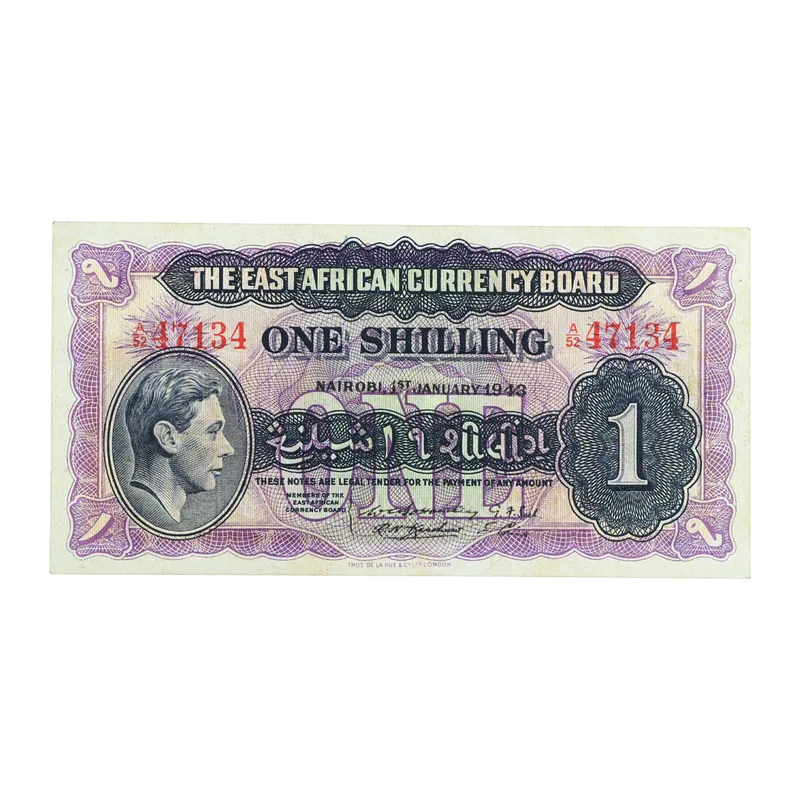
East African Currency Board George VI Issue One Shilling Banknote, Nairobi 1st Jan. 1943
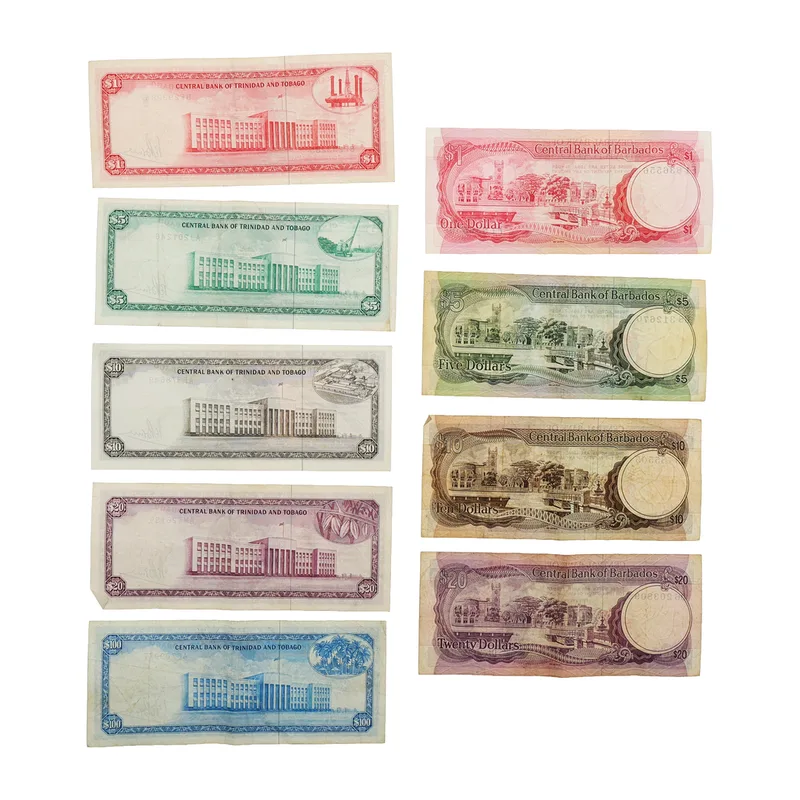
5 Central Bank of Trinidad and Tobago and 4 Central Bank of Barbados Banknotes. (9)
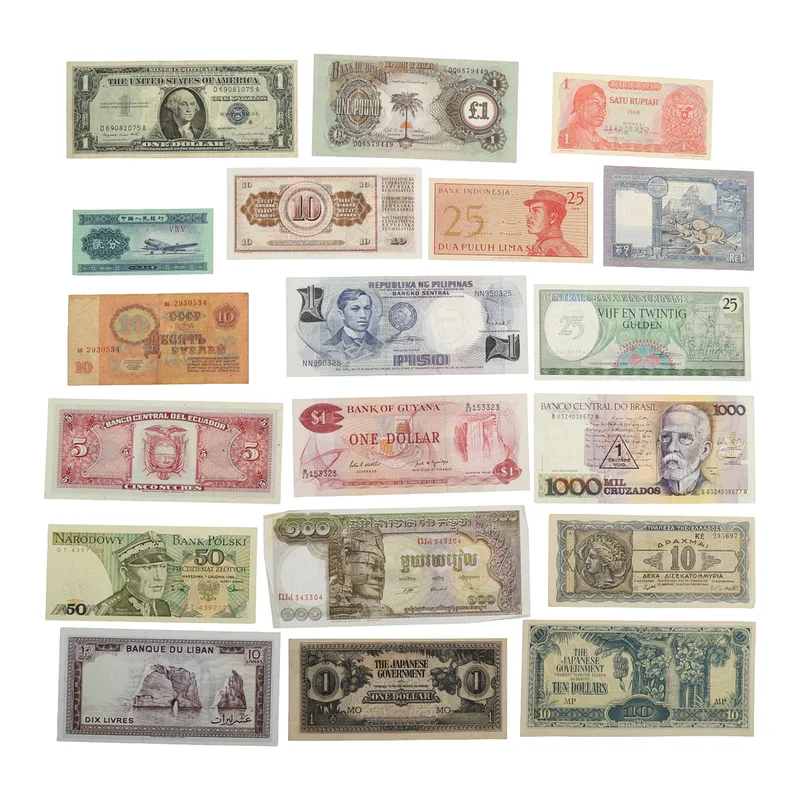
Very Large Collection of Approx. 75 World Banknotes. (a great deal)
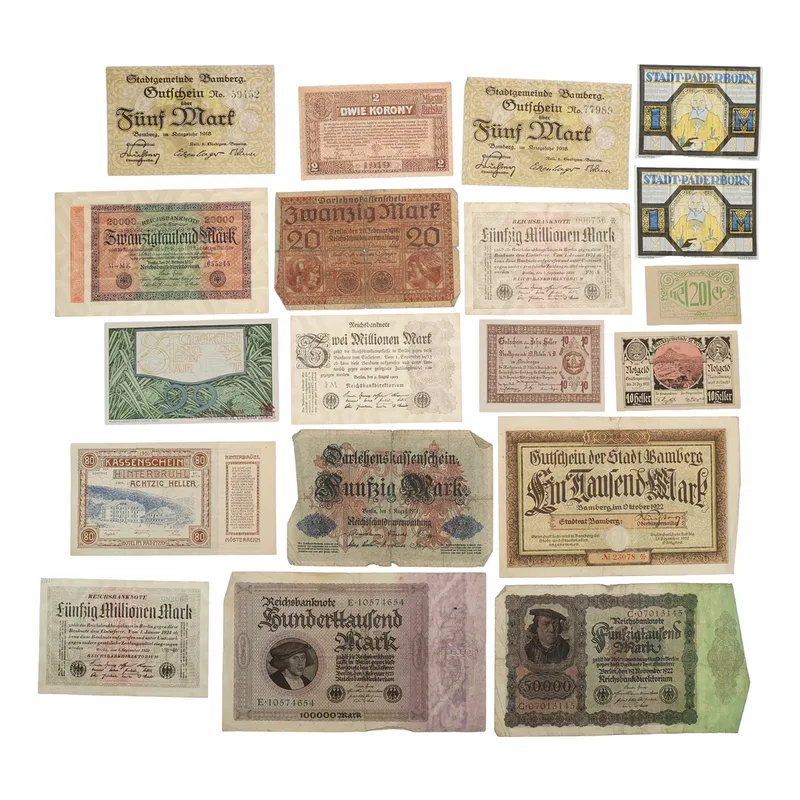
Collection of European Banknotes, Approx. 34
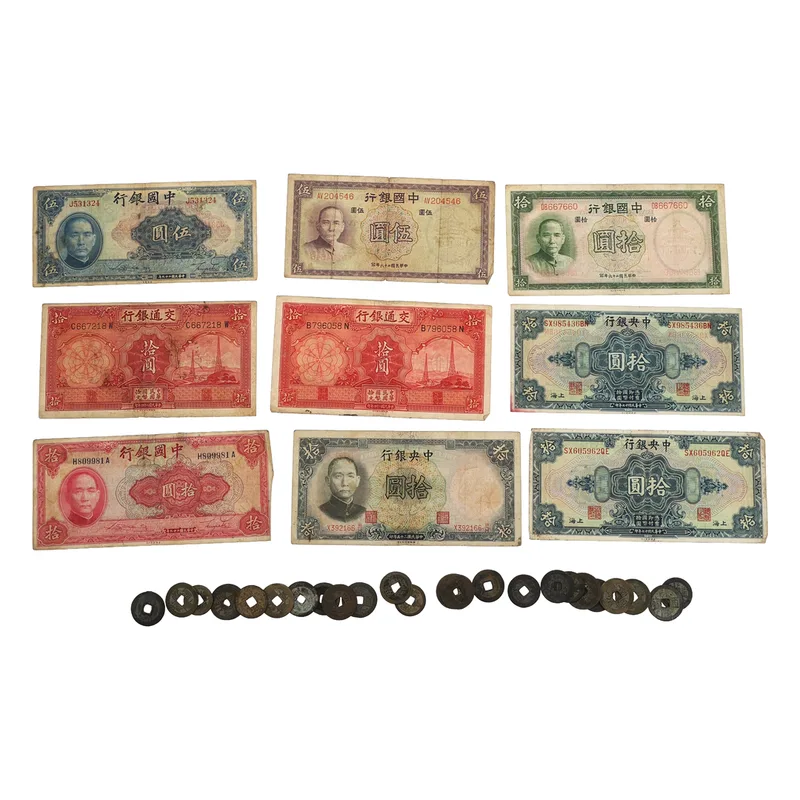
Collection of Chinese Banknotes, and Cash Coins (34)
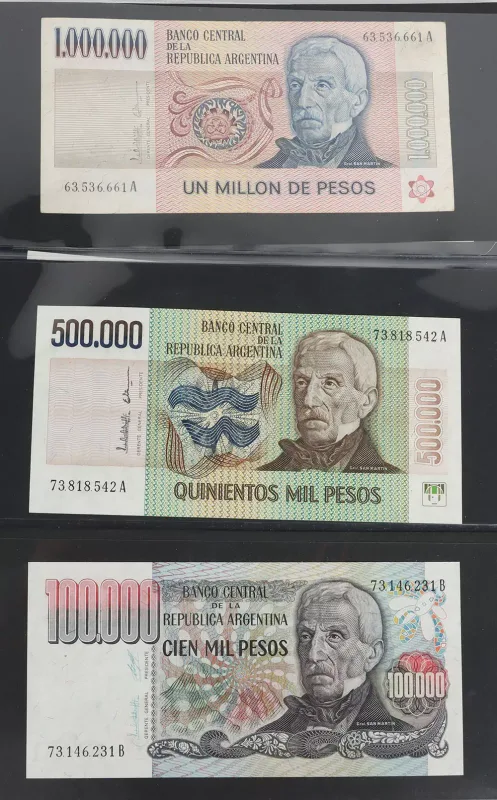
A folder of South American banknotes, including Argentina, Brazil, Nicaragua, Columbia, Bolivia, Suriname, Uruguay, Peru, Chile, Mexico, Paraguay, Ecuador
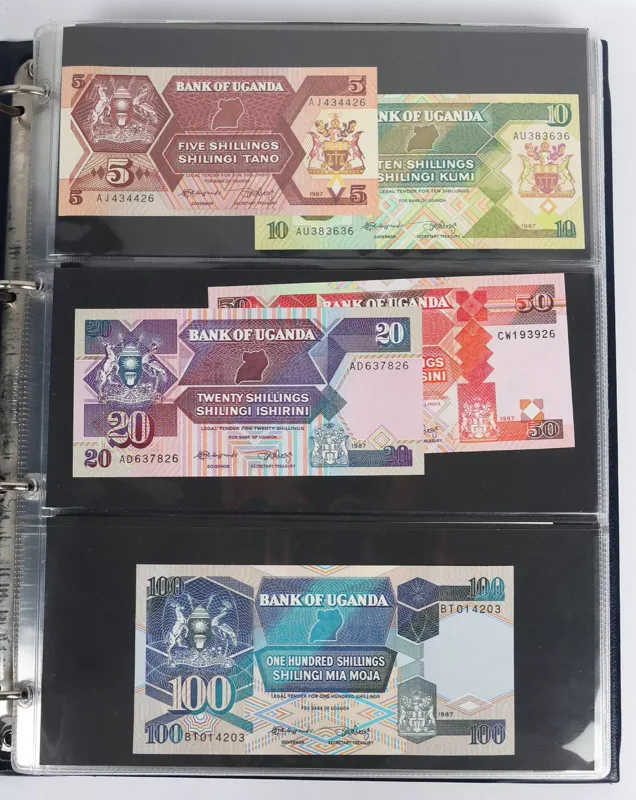
A folder of African banknotes to include some Specimen examples, countries include Uganda, Mauritania, Guinea, Mozambique, Sudan, Zimbabwe, Zambia, Zaire
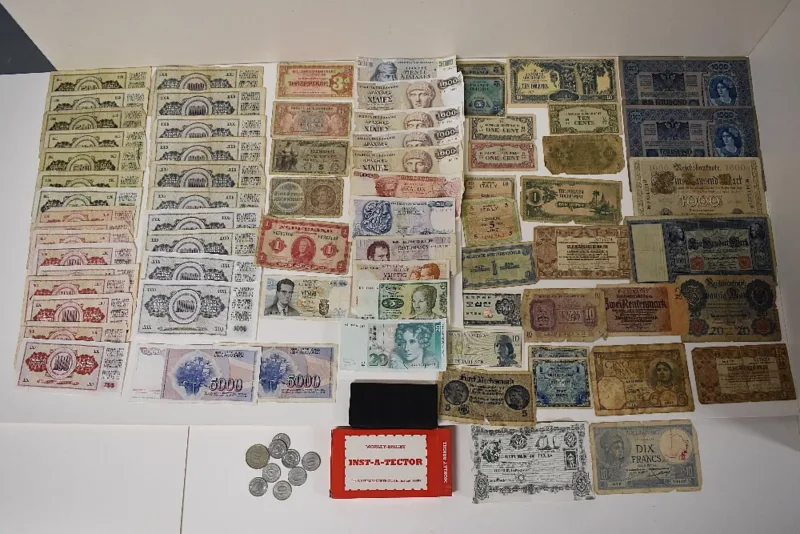
A Collection Of World Bank Notes And Coins. Bank Notes Comprising, Algeria, Austria
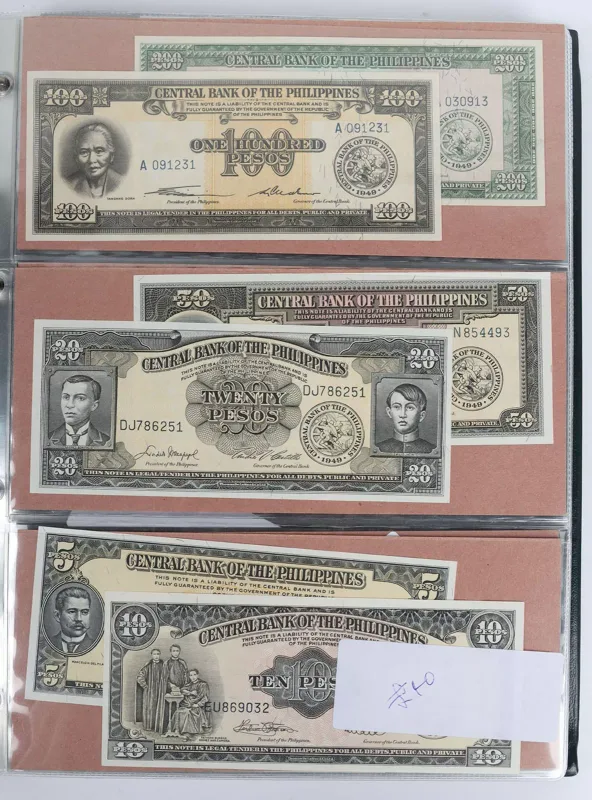
A folder of banknotes from various Eastern Countries, including Singapore, Philippines, Pakistan, Iraq, Iran, Syria, China, Japan, Burma
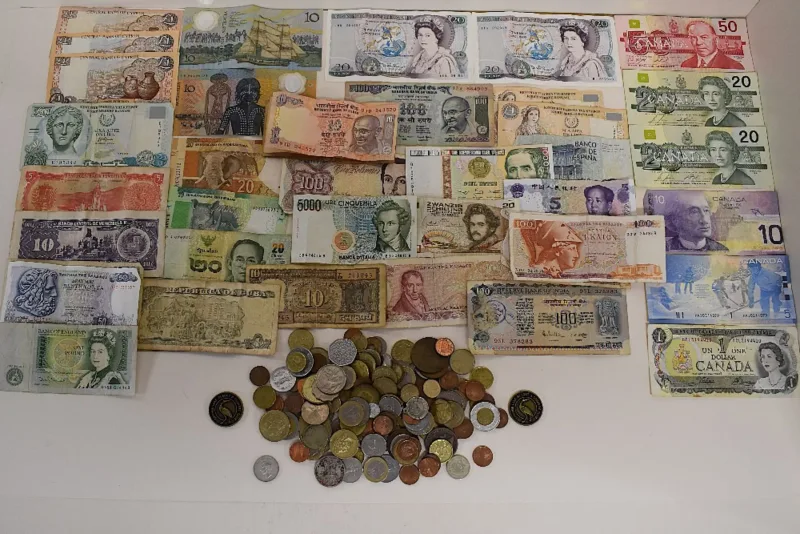
A Collection Of Twentieth Century British And World Bank Notes And Coinage. Bank Notes Comprising
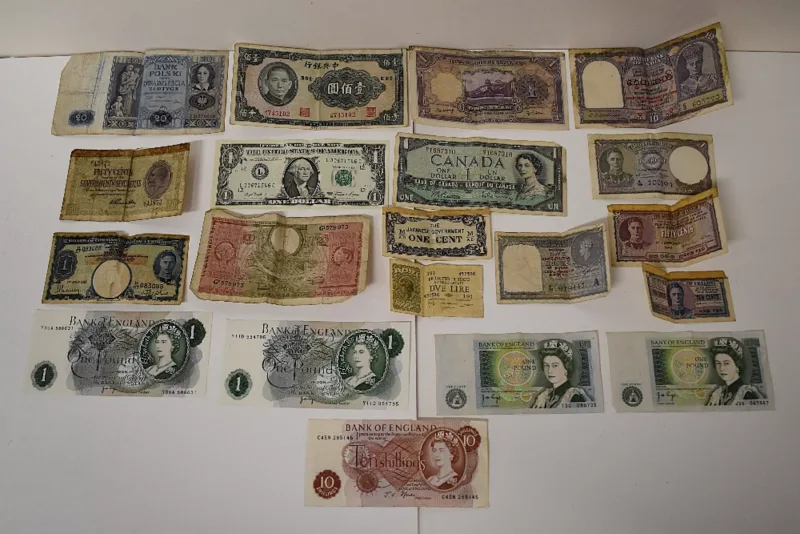
A Collection Of British And World Bank Notes, Comprising, British - Series C One Pound J B Page x2, Series D J B Page
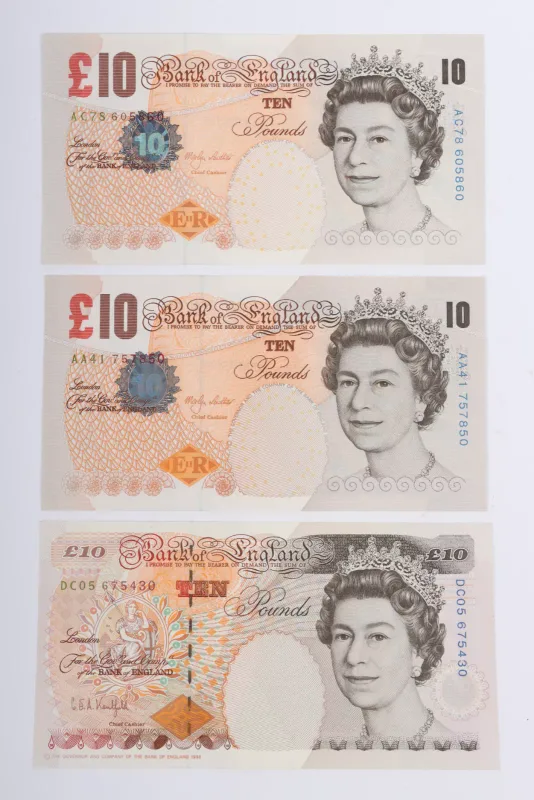
Ten Pound Notes
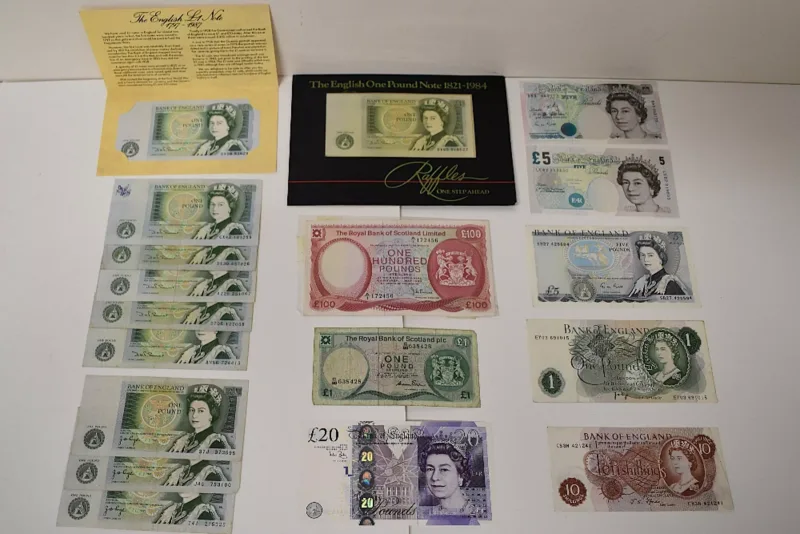
Bank Notes Comprising, A Royal Bank Of Scotland One Hundred Pound Bank Note
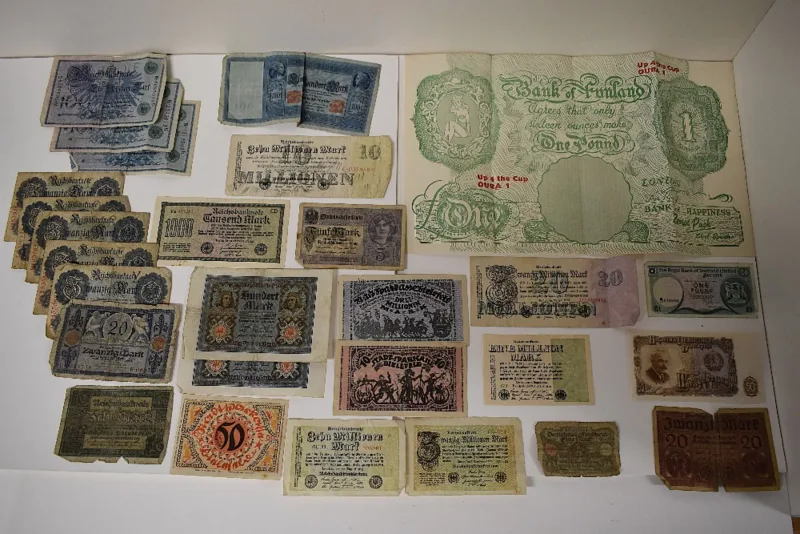
A Collection Of Banknotes Comprising, Early 20th Century German Empire And 1920's German Hyperinflation Currency, A 1951 Bulgaria 50 Leva
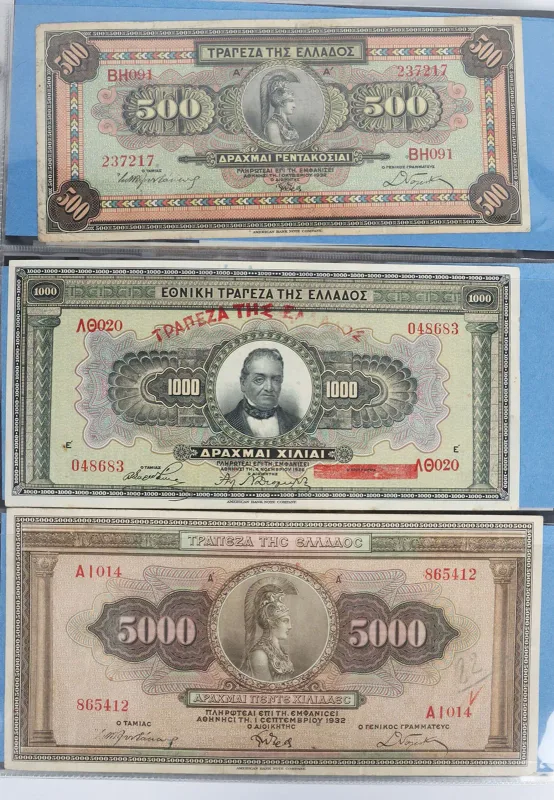
A folder of mostly European banknotes, including Greece, Albania with 7xSpecimen notes of 1976, Austria, Turkey, Belgium, Hungary, Czech, Yugoslavia, Poland
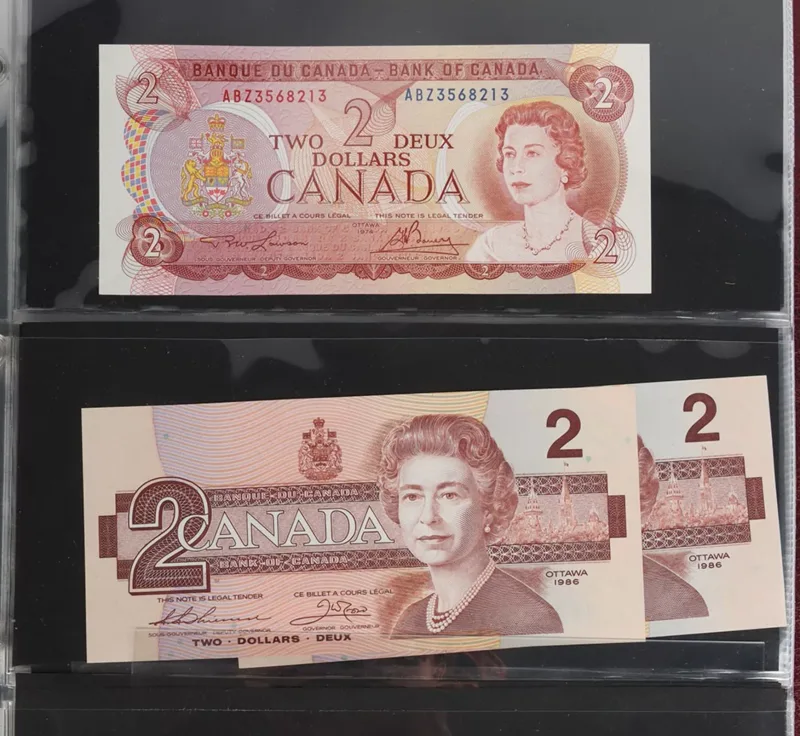
A good folder of British and British Commonwealth banknotes, including Peppiatt, Beale, a Page Twenty Pounds, Canada Dollars, Fiji One Dollar and 50C
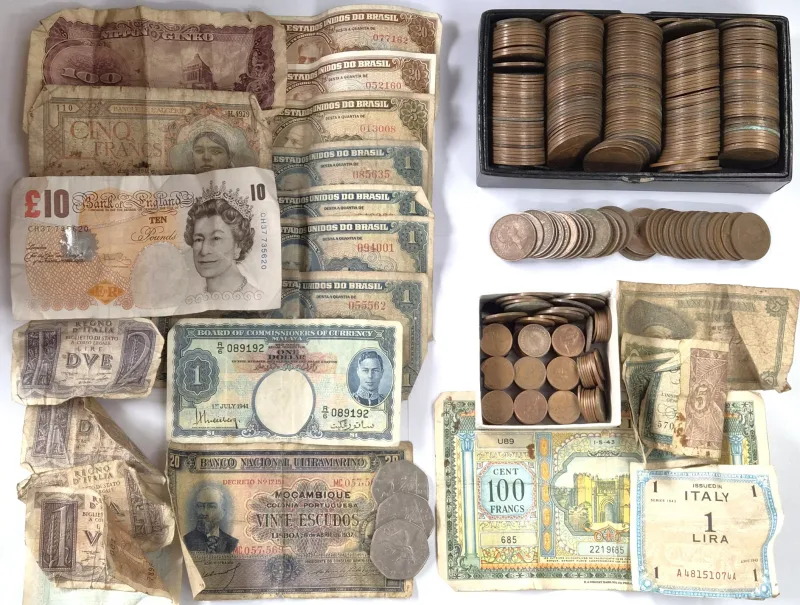
Large Quantity Victorian & Other Copper Coinage, Mostly Foreign Banknotes Etc unchecked
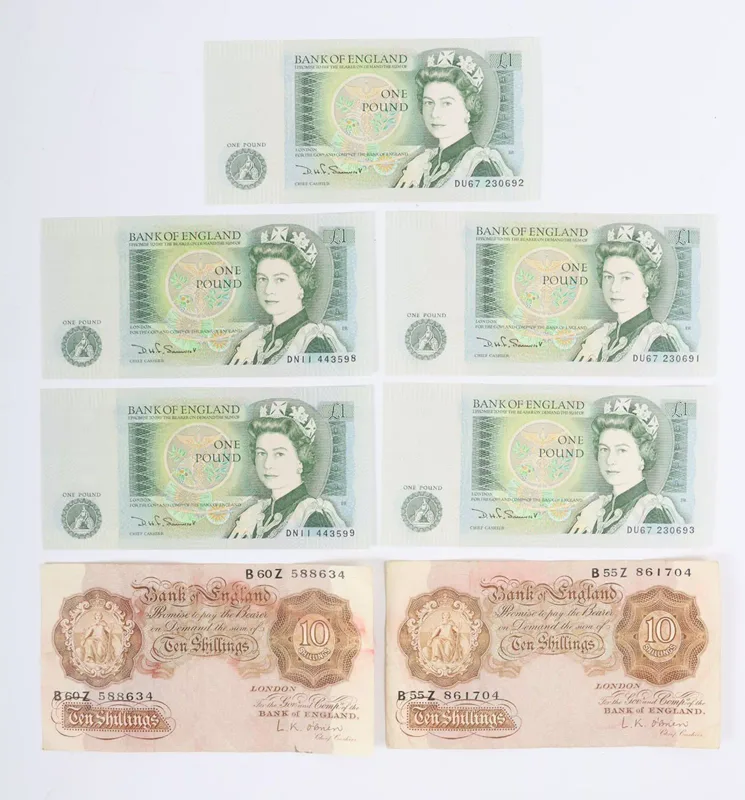
One Pound and Ten Shillings Bank Notes
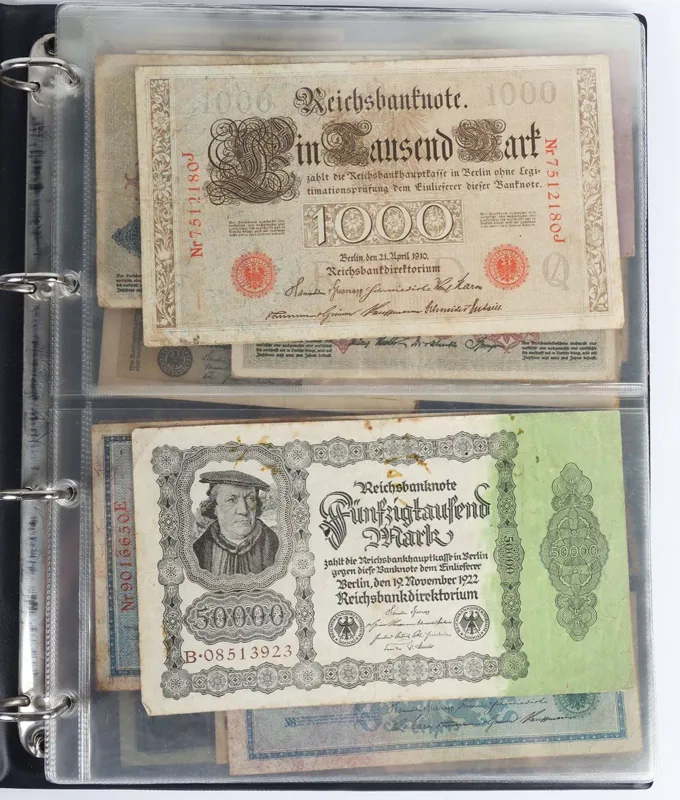
A folder of mostly German banknotes, the majority between 1910 and 1945, with some Italian issue a British Postal Order for Five Shillings
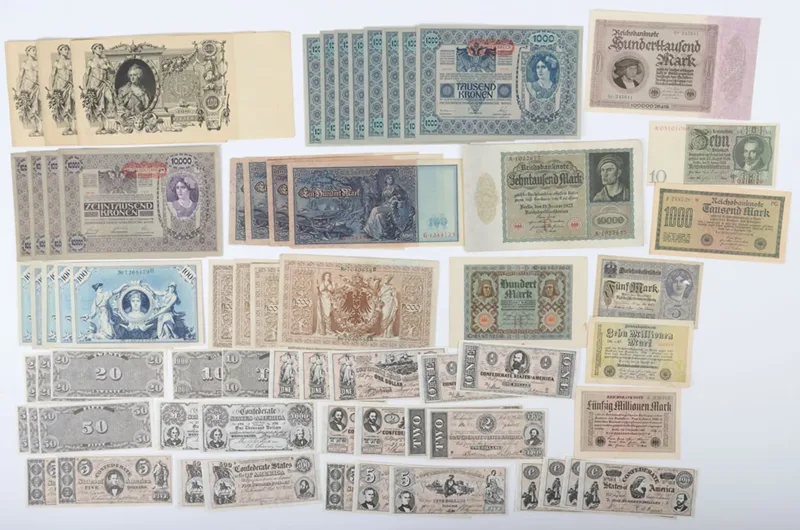
Collection of Bank Notes
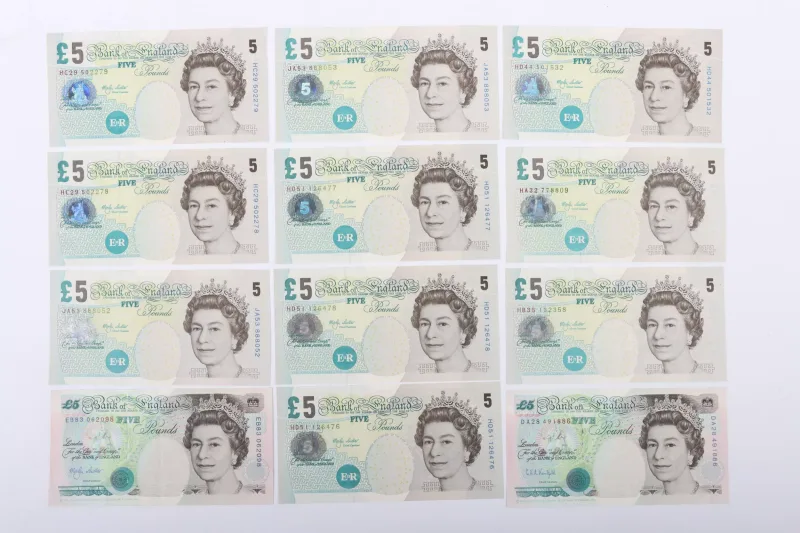
Five Pound Notes
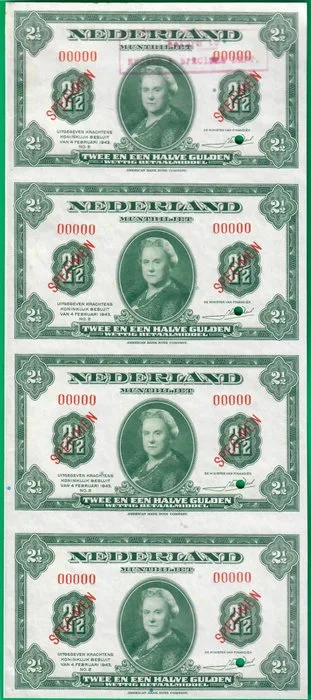
Netherlands. - 4 x 2½ Gulden 1943 - SPECIMEN - Pick 65s - uncut sheet of 4
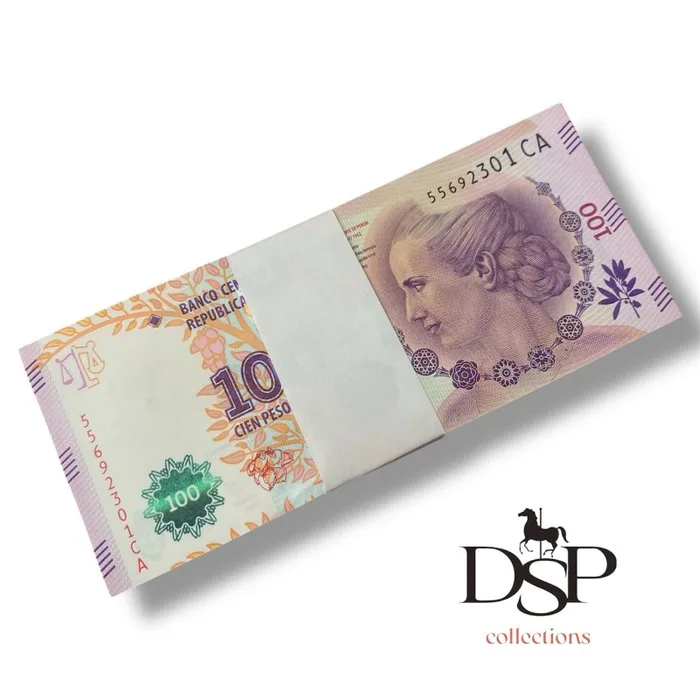
Argentina. - 100 x 100 Pesos - ND (2012) - Eva Péron - Pick 358c
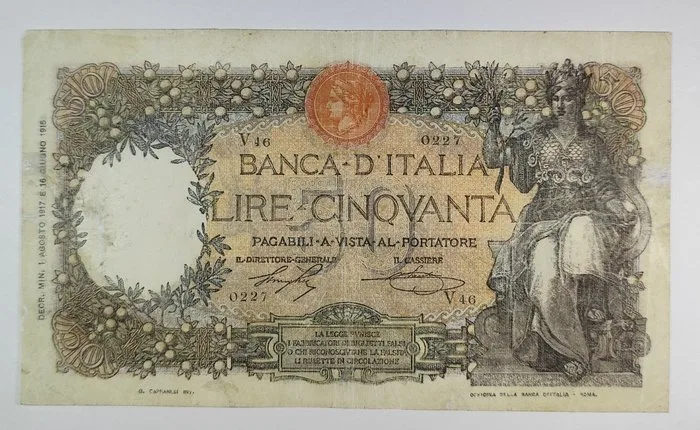
Italy. - 50 Lire 01/08/1917 "Buoi" - Gigante BI 4E
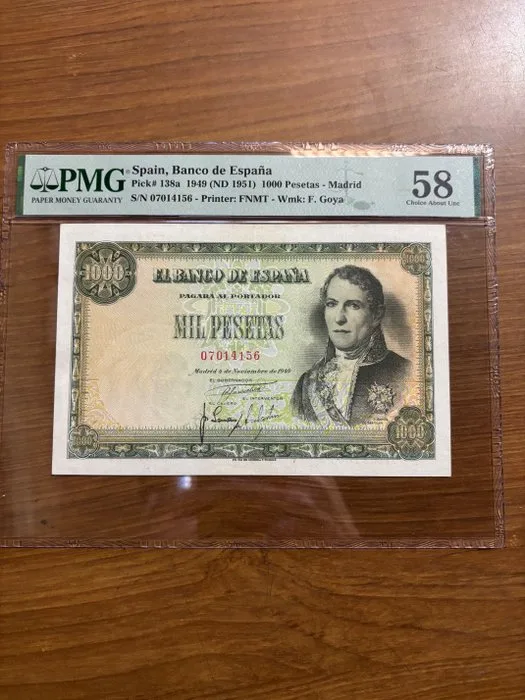
Spain. - 1000 Pesetas 1949 - Pick 138a - Sin Serie
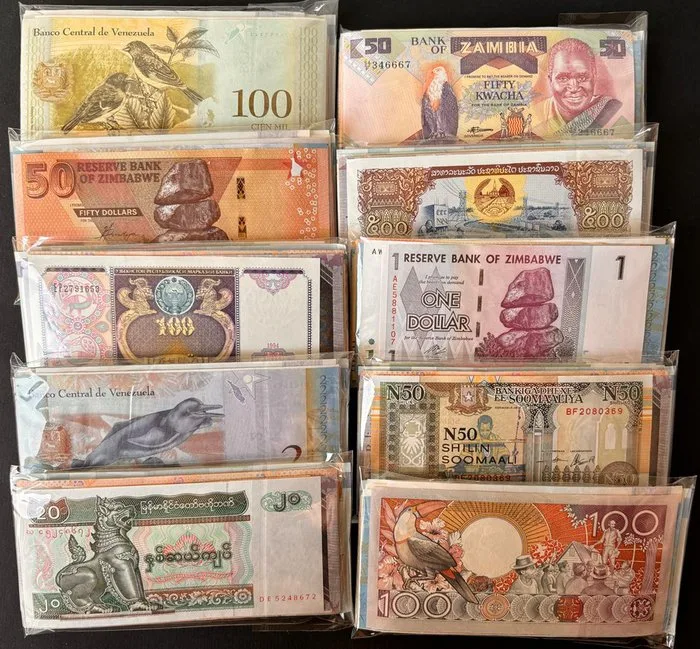
World. - 10 x 100 different - (1000 banknotes) - various dates
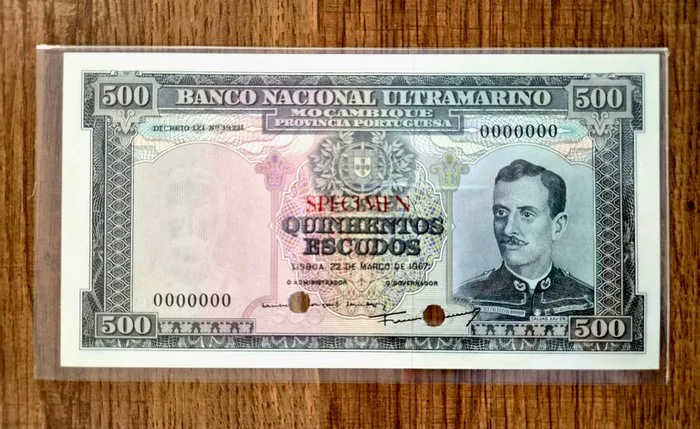
Mozambique. - 500 Escudos 1967 - Specimen, Color trial - Pick 110cts
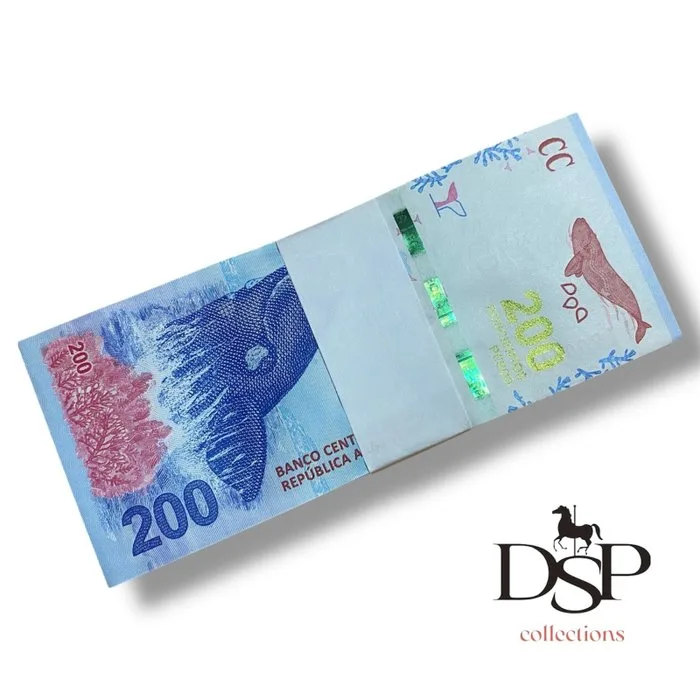
Argentina. - 100 x 200 Pesos - ND (2016) - Southern Whale - Pick 364a(1)
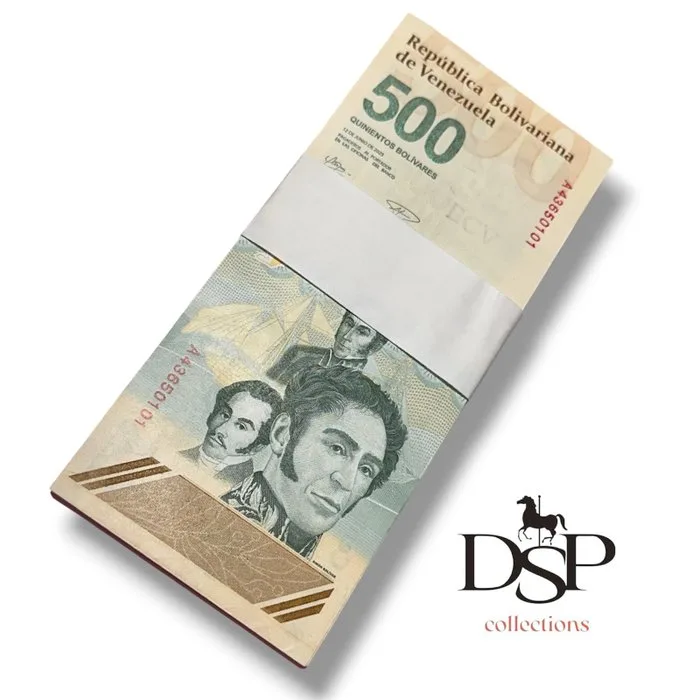
Venezuela. - 100 x 500 Bolívares - DIGITALES 2025 - Pick 121 New
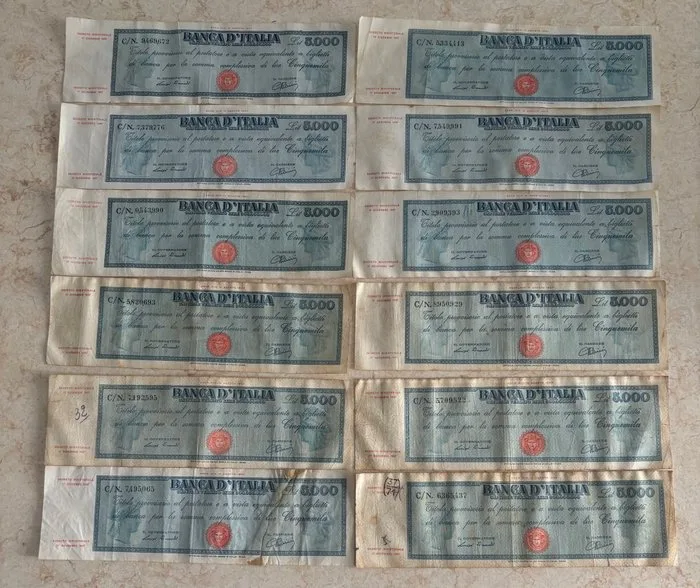
Italy. - 12 x 5.000 Lire 1947 "Titolo Provvisorio" - Gigante BI 63B, BI 63C; Pick 86a
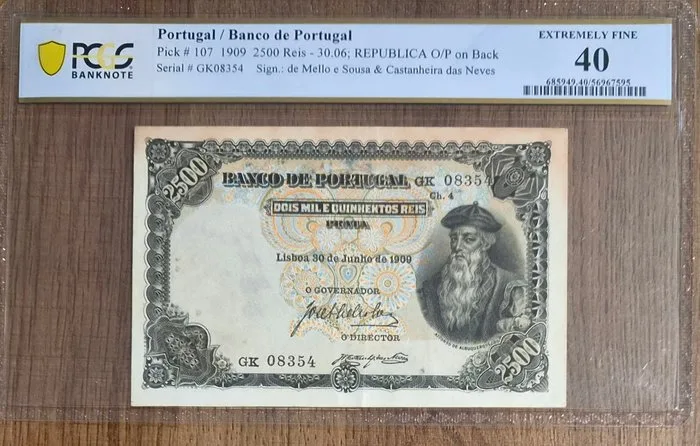
Portugal. - 2500 Reis 1909 - Pick 107
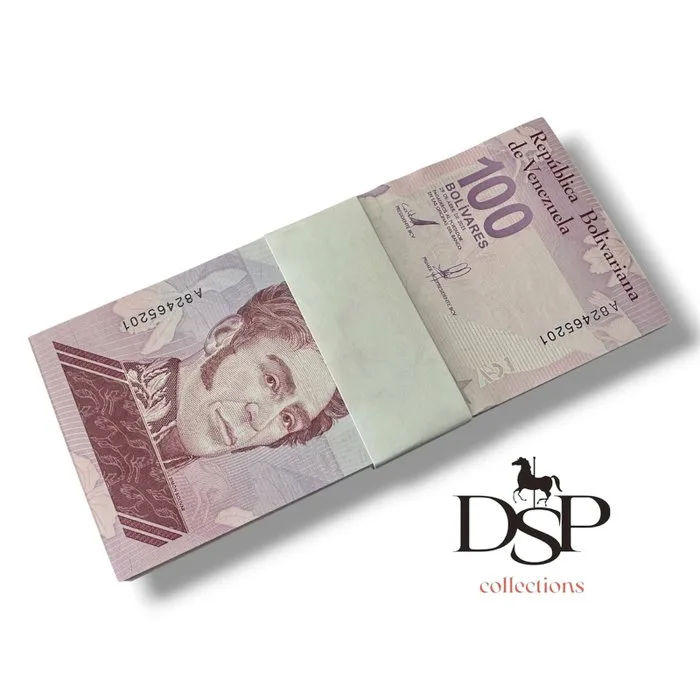
Venezuela. - 100 x 100 Bolívares - DIGITALES 2021 - Pick 119 New
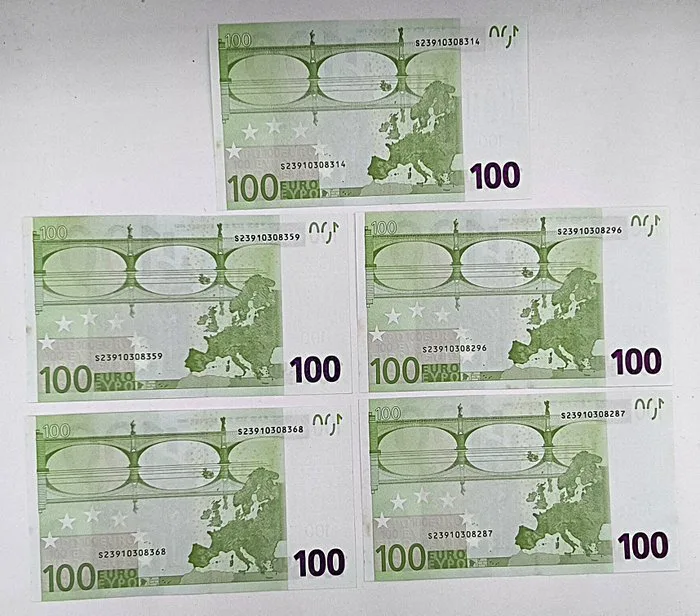
European Union. - 5 x 100 Euro 2002 - Trichet J032
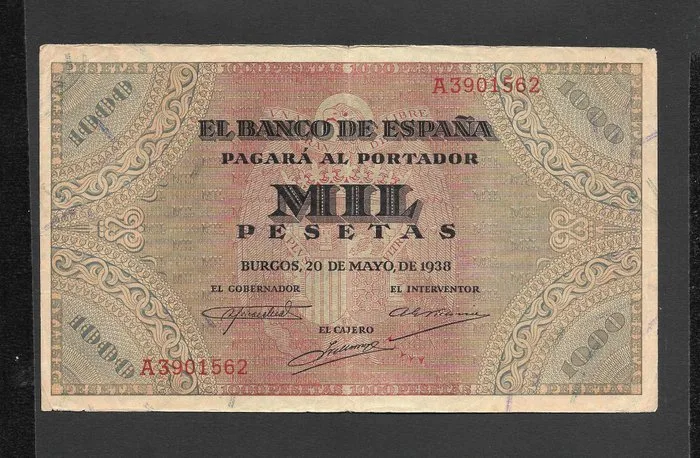
Spain. - 1000 Pesetas 1938 - Pick 115a
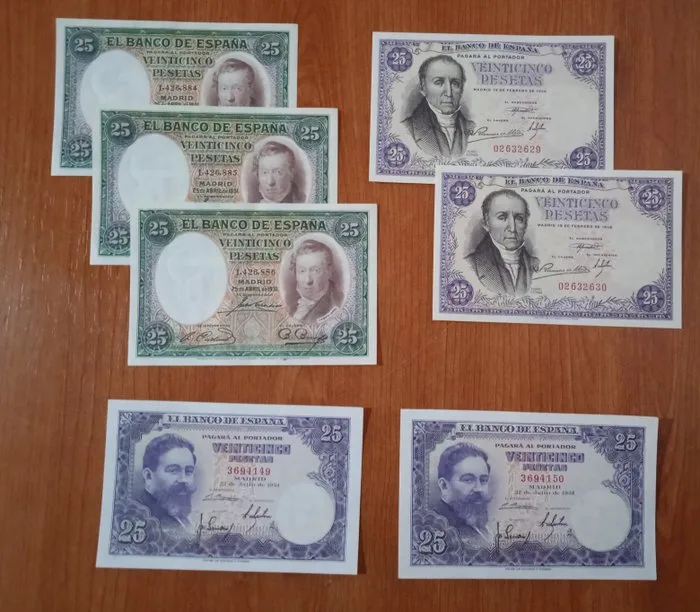
Spain. - 7 x 25 Pesetas - Trío y Parejas Correlativas - various dates
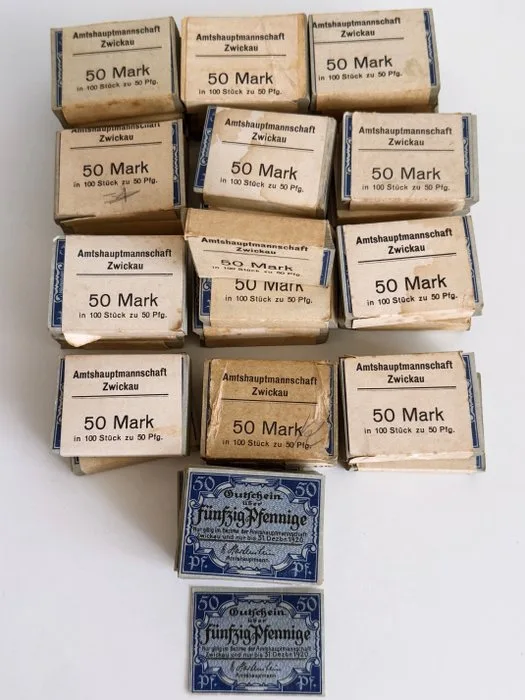
Germany. - 3500 Notgeldscheine - 50 Pfennige 1920 - Zwickau
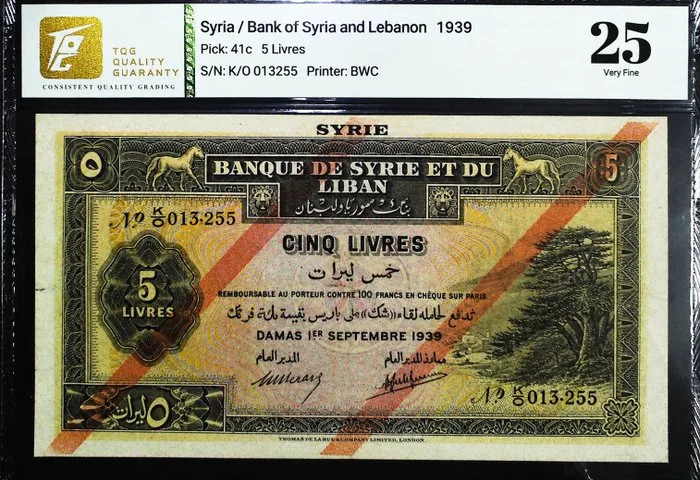
French Protectorate. - 5 Livres - 1939 - Pick 41c
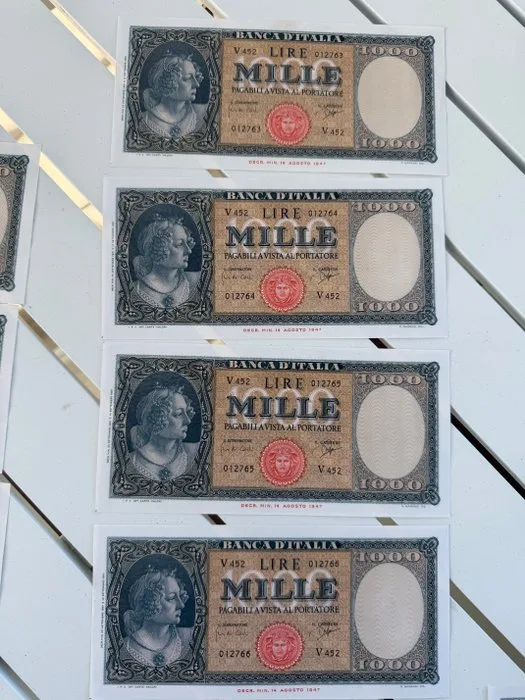
Italy. - 9 x 1.000 Lire 25/09/1961 "Ornata di perle" (Medusa) - Gigante BI 54E; Pick 88d
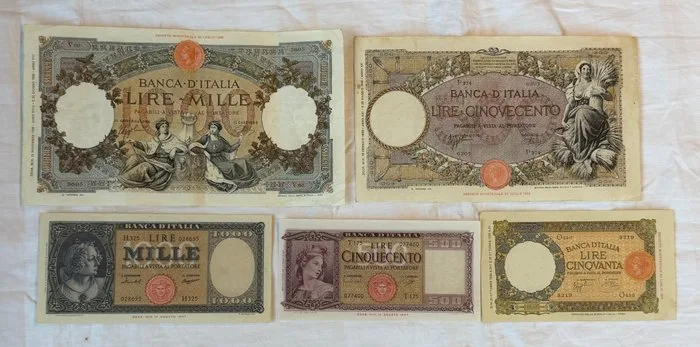
Italy. - 5 banconote Lire - anni vari
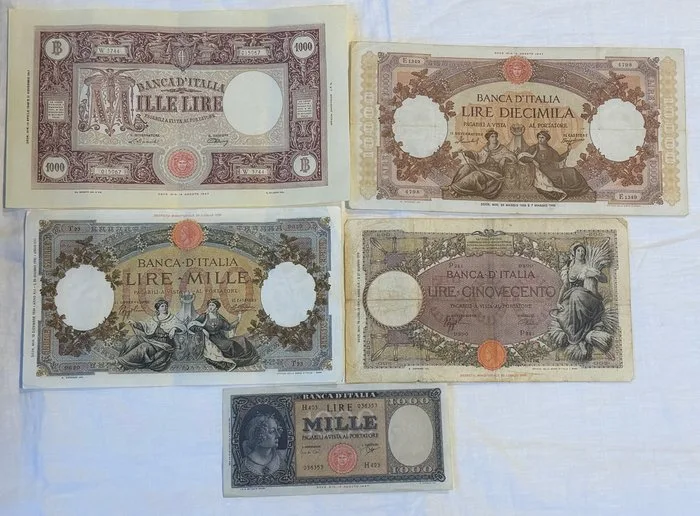
Italy. - 5 banconote Lire - anni vari
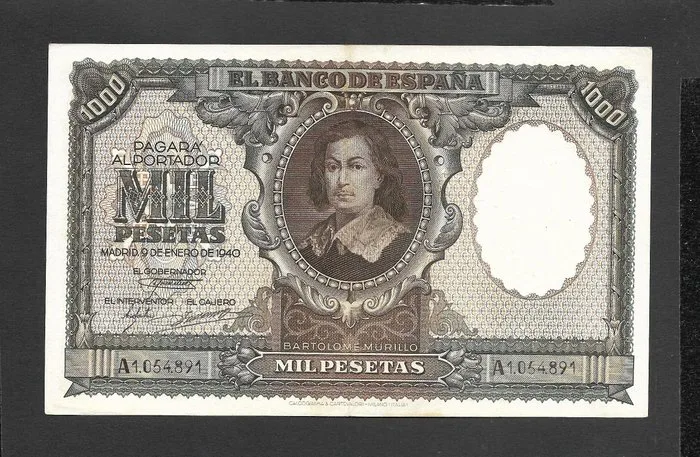
Spain. - 1000 Pesetas - 1940 - Pick 120
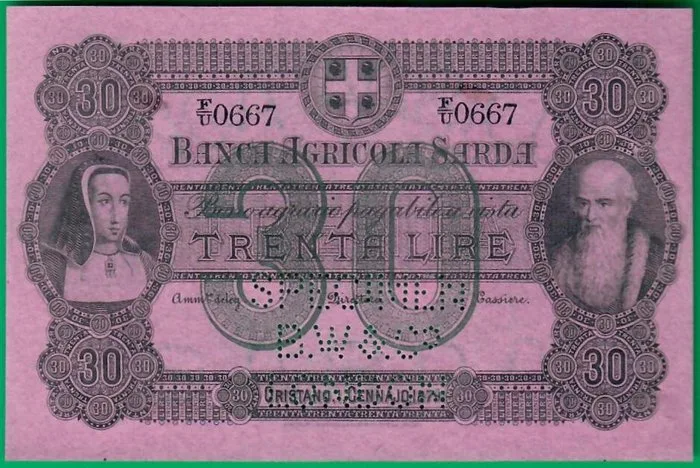
Italy. "Oristano" 30 lire 1878 specimen - Pick S921cs
What is in Banknotes
Most notes here date from the twentieth century, with some from after 2000 and a few older issues. Italy is the largest group, with lire from both the Kingdom and the Republic, alongside Spanish pesetas, French francs, Venezuelan bolívares, Argentine pesos, colonial issues such as German East Africa rupien, Japanese military yen and early euro notes. Several listings are bundles or runs of consecutive notes.
Reading a listing
- Pick number: the reference in the Standard Catalog of World Paper Money, the usual international catalogue.
- Gigante: the standard Italian catalogue, used for lire notes.
- ND: not dated; the note carries no printed date.
- Specimen: a sample note printed for banks and never issued for use.
- Signature: for euro notes, the European Central Bank president whose signature appears, such as Trichet.
Condition
Banknote grades run from UNC (uncirculated: crisp, with no folds) through AU, XF, VF and F down to poor. A single light fold usually drops a note from UNC to AU. Look in the photos for folds, pinholes, stains, tears and trimmed margins. Notes that have been washed or pressed to remove folds lose value once the treatment is spotted.
Storage
Keep notes flat in inert, acid-free sleeves, away from light and damp. Avoid PVC holders, which can damage paper over time.
Prices
Most items here are between EUR 300 and EUR 1,300.
Frequently asked questions
What is a Pick number on a banknote?
A Pick number is the catalogue reference for a banknote in the Standard Catalog of World Paper Money, named after its original compiler Albert Pick. Each country's issues are numbered in sequence, with letters for varieties. Quoting it identifies the exact note, so you can compare signatures, dates and series against the catalogue.
What does UNC mean for a banknote?
UNC, or uncirculated, describes a note that has never been used: crisp paper, sharp corners and no folds, creases or handling marks. Even one light fold lowers the grade, usually to AU (about uncirculated). Uncirculated notes are worth considerably more than the same note in circulated condition.
Are old euro banknotes still valid?
Yes. First-series euro banknotes remain legal tender and can be exchanged at the national central banks of the euro area for an unlimited period, even as they are replaced by newer designs. Collectors look for particular signatures and printer codes, such as early notes signed by Wim Duisenberg or Jean-Claude Trichet, in uncirculated condition.