World Coins
Circulating and commemorative coins from around the world, mostly struck between 1400 and 2000: thalers, reales, escudos, francs, lire and sovereigns.
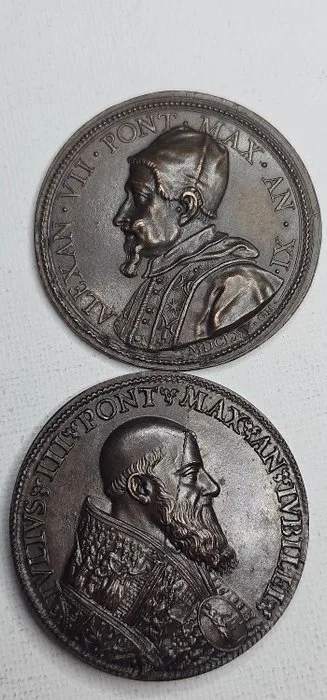
Italy, Papal State Set 2 Medals 1550-1665 – later restrike
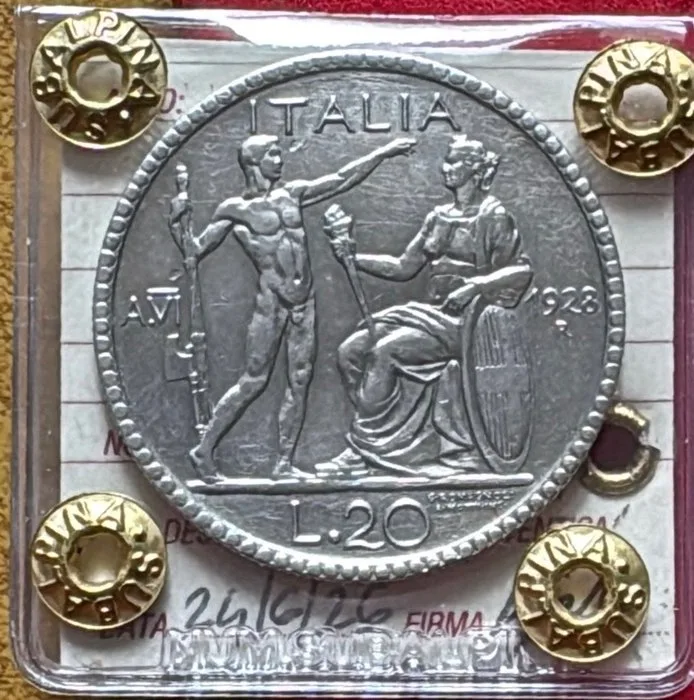
Italy, Kingdom Vittorio Emanuele III. 20 Lire 1928 "Littore" A. VI
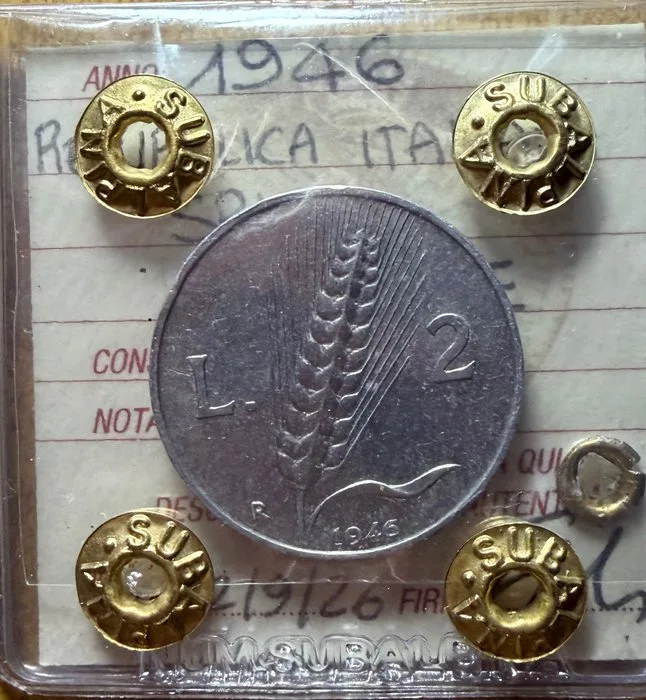
Italy. 2 Lire 1946 "Spiga"
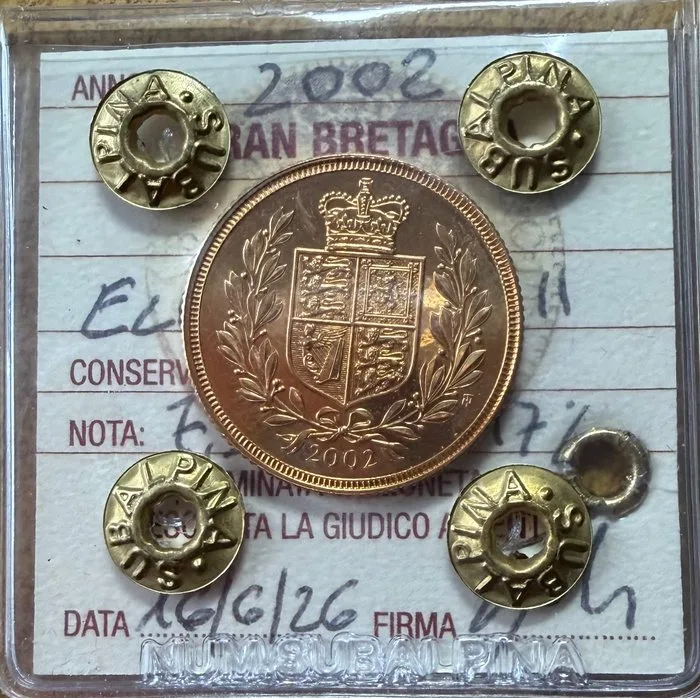
United Kingdom. Sovereign 2002 Elizabeth II
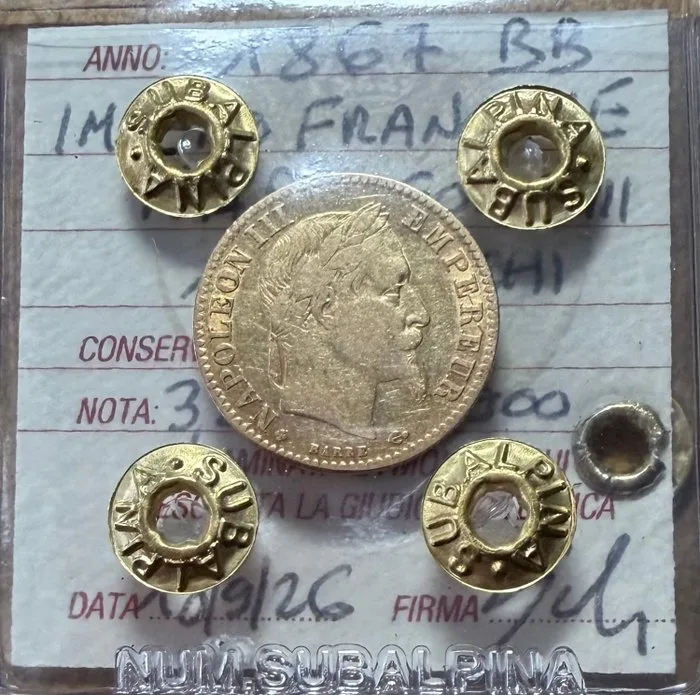
France. Napoléon III. 10 Francs 1867 BB
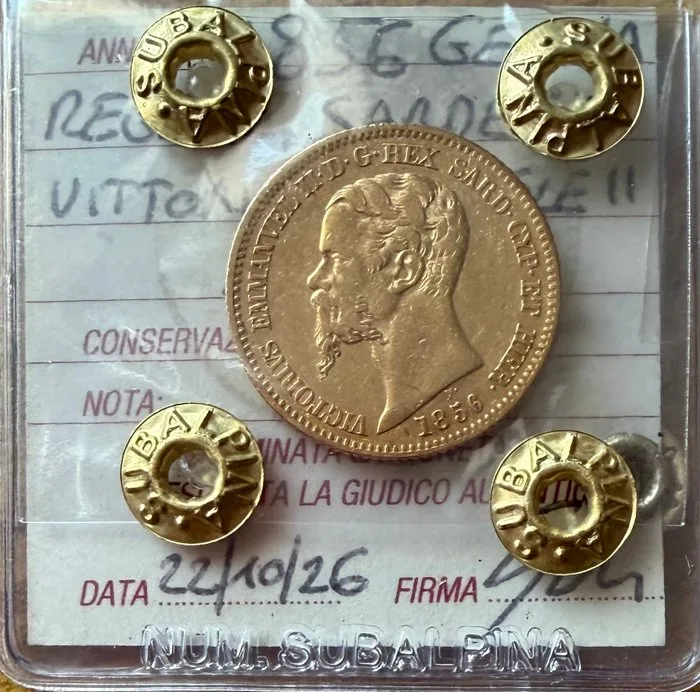
Italy, Kingdom of Sardinia Vittorio Emanuele II. 20 Lire 1856 - Genova
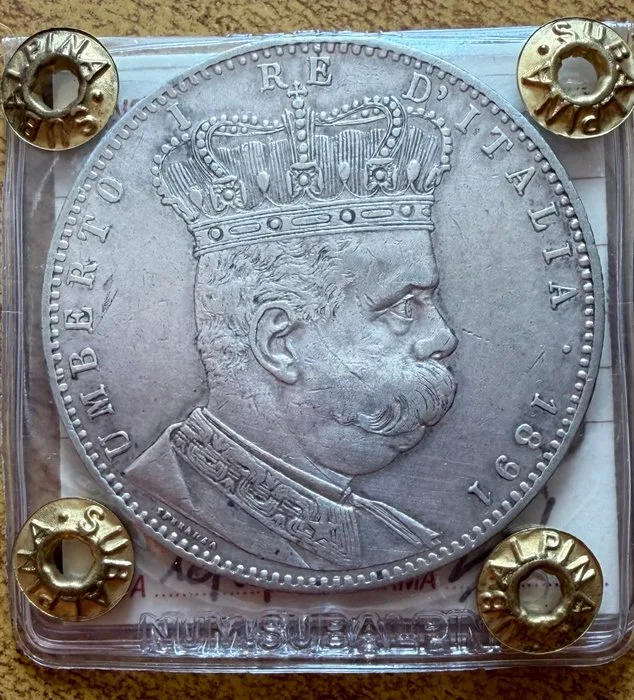
Italy, Italian Eritrea Umberto I. Tallero 1891
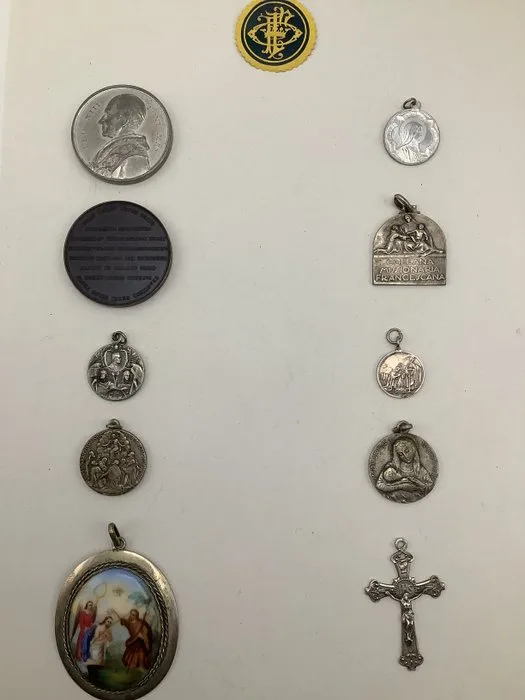
Italy. Set 9 medaglie e medagliette 1842-1925
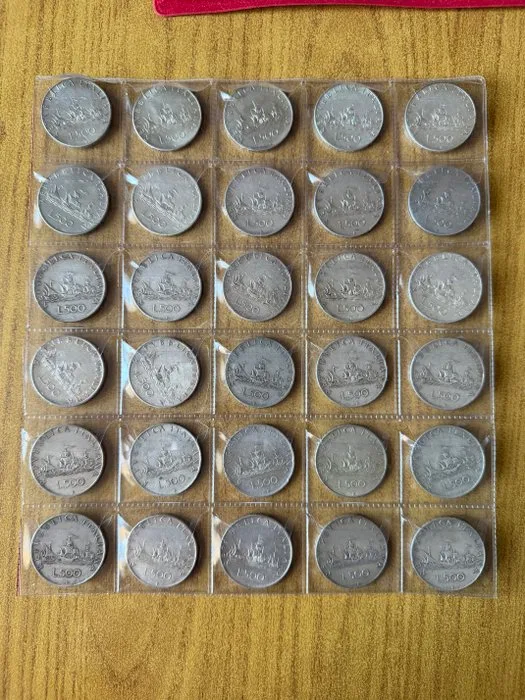
Italy, Republic 500 Lire Anni vari Caravelle (30 monete)
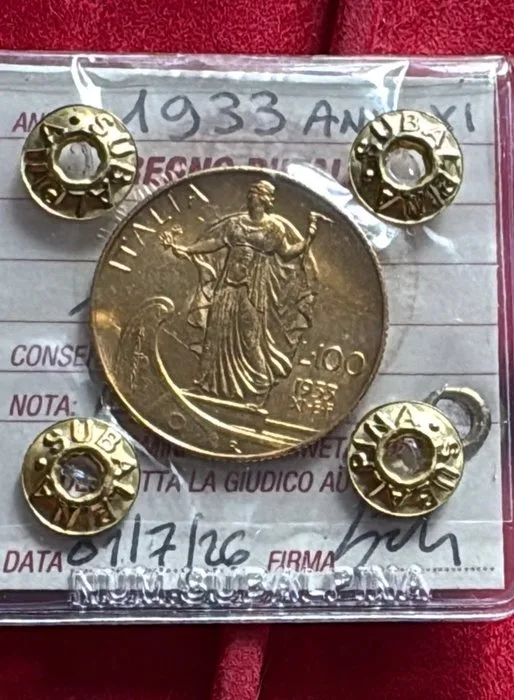
Italy, Kingdom Vittorio Emanuele III. 100 Lire 1933 XI "Prora"
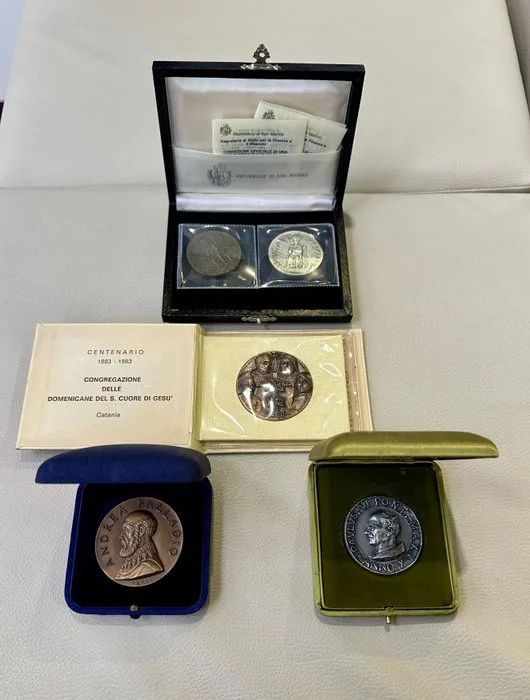
Italy, Vatican City, and San Marino. 5 medaglie di cui 2 in argento - Paolo VI, visita G.P. II, A. Palladio, Congregazione S. Cuore
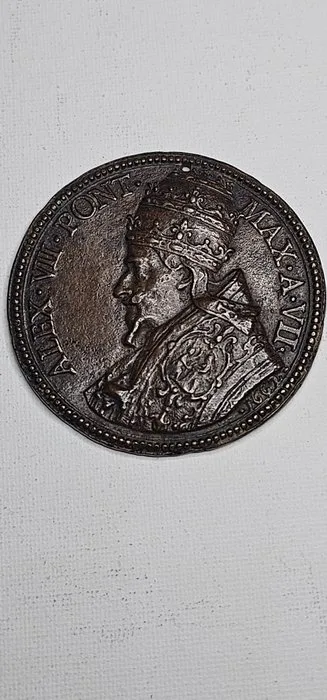
Papal States. 1662 – Alexander VII – Bronzen pauselijke medaille – Galloro (Ariccia) – Miselli 593
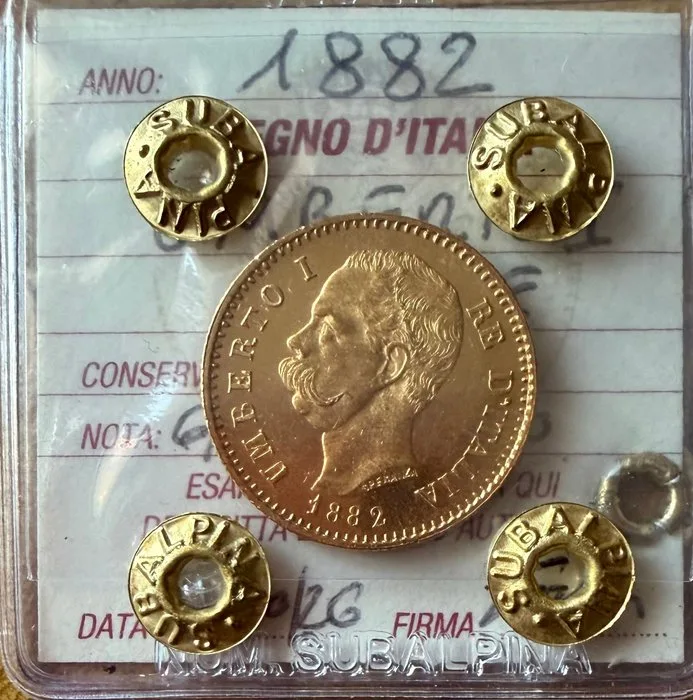
Italy, Kingdom Umberto I. 20 Lire 1882
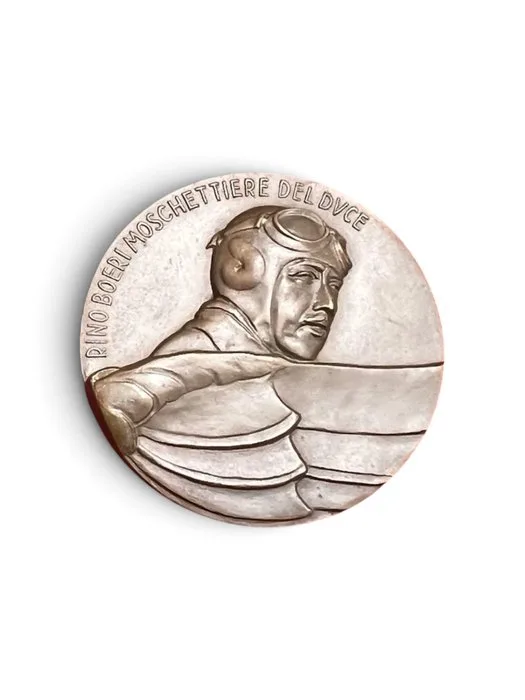
Italy. Medal RINO BOERI - Medaglia anno 1941 XIX. Opera: G. Tonnini, cat. Cas. XIX/62 PILOTA e Moschettiere del
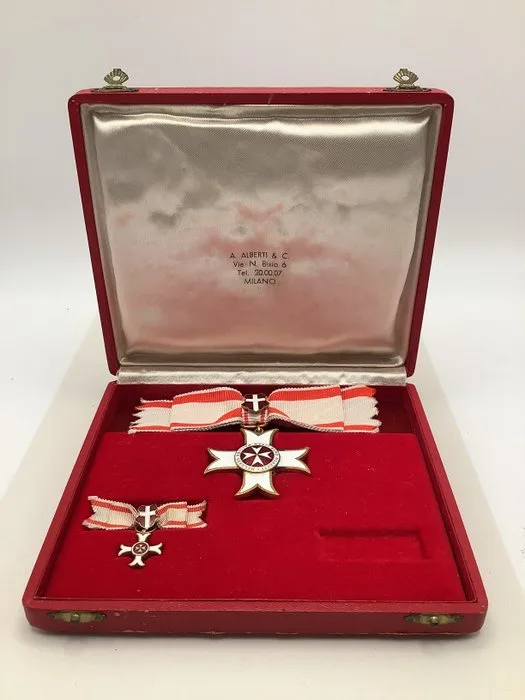
Italy. 1920 Pro Merito Militensi, Sovrano Militare Ordine di Malta
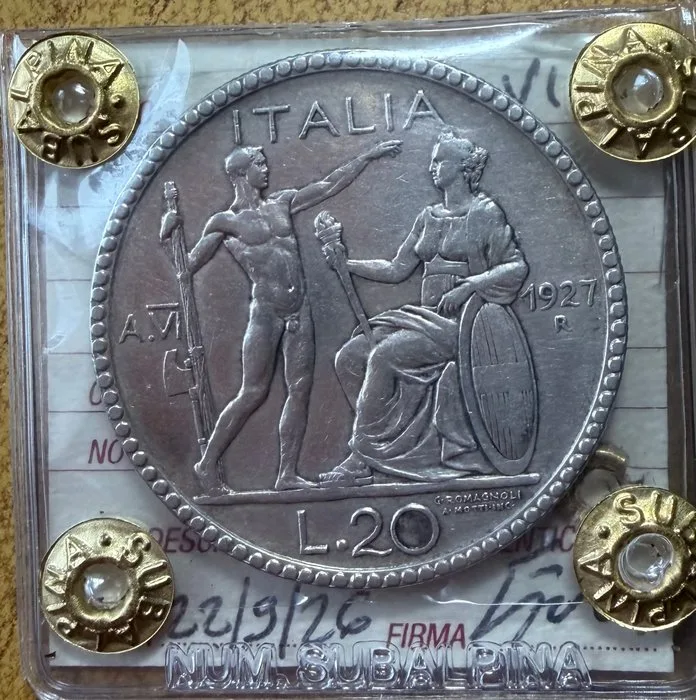
Italy, Kingdom Vittorio Emanuele III. 20 Lire 1927 "Littore"
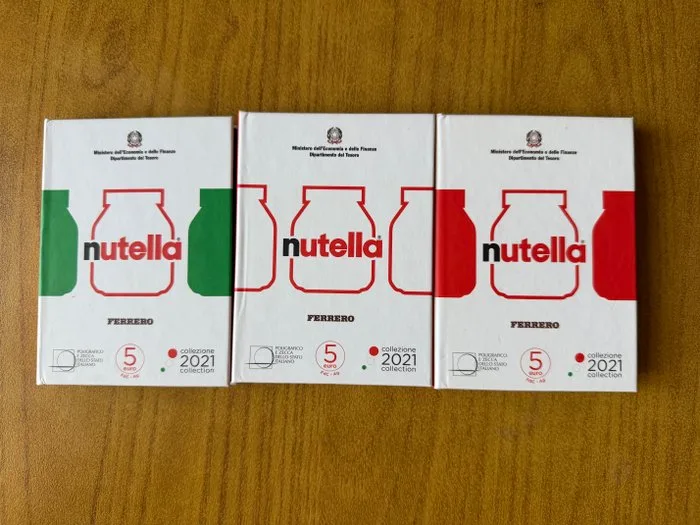
Italy. 5 Euro 2021 "Nutella" - Trittico
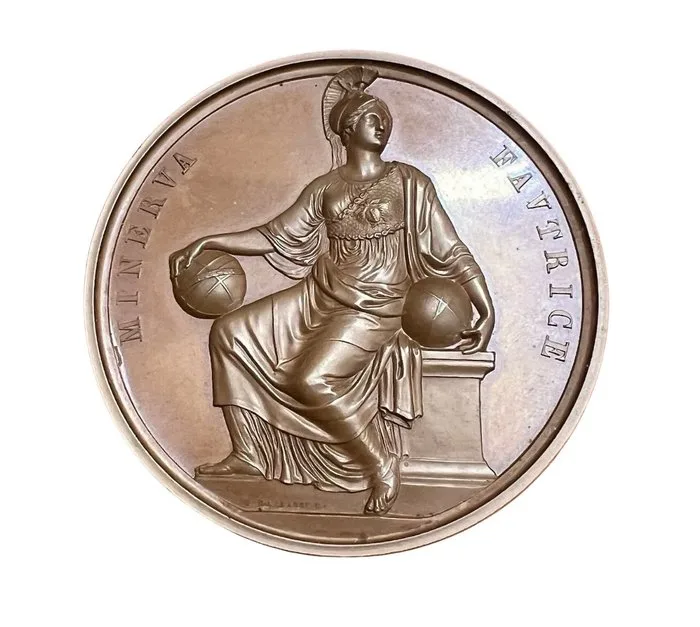
Italy. Medal Medaglia 1840 - Per il congresso degli scienziati Italiani a Torino, Minerva seduta - Opus: G
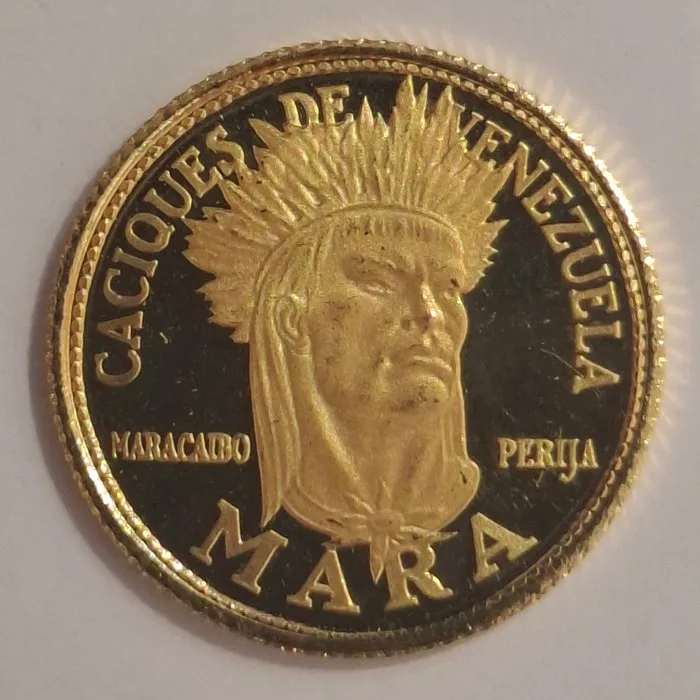
Venezuela. 5 Bolivares Caciques - Inter-Change Bank, Suisse opus Murolo/Mandelli
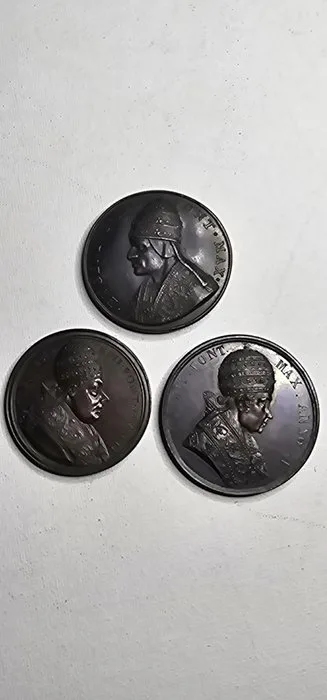
Italy, Papal State Set 3 Medals 1446 (historical event), 1765, 1828; later restrikes
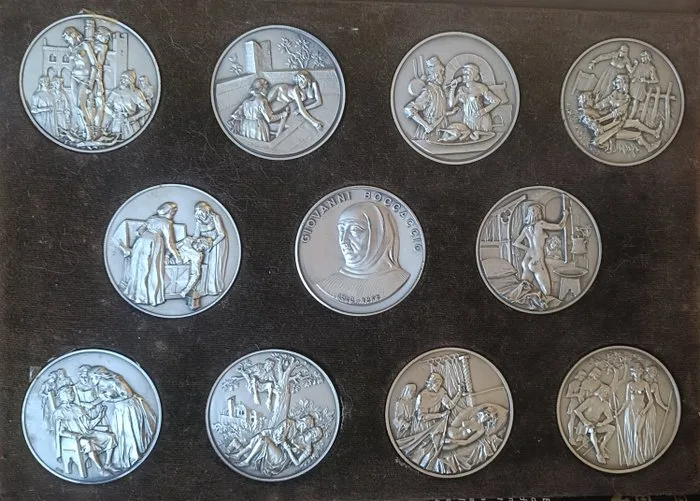
Italy. 11 Medaglie in Argento opus Cattaneo - 583 gr circa Ag.925
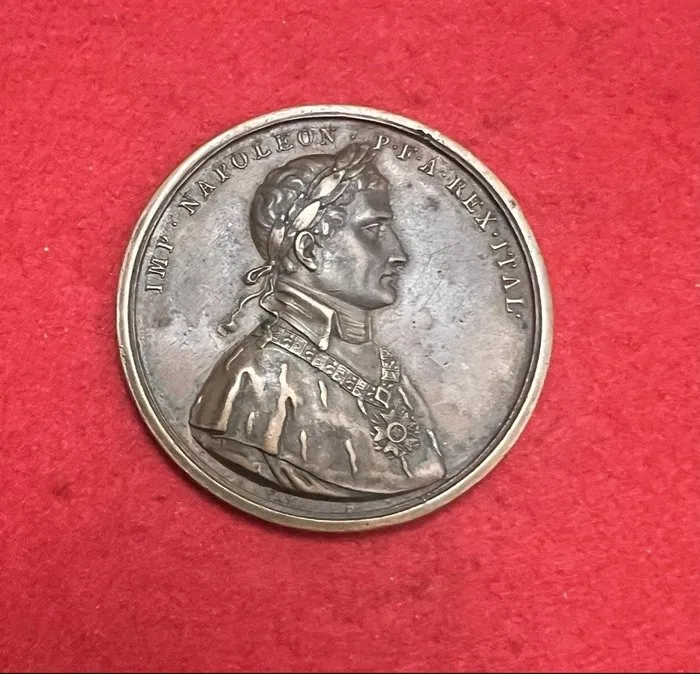
Italy. Medal ITALIE Gênes, République ligurienne (1797-1805). Médaille, entrée de Napoléon ler à Gênes, par H
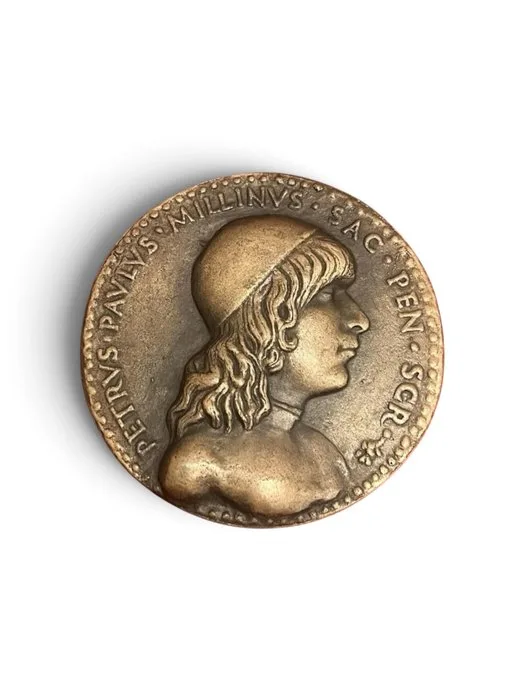
Italy. Medal Pietro Paolo Millini (Petrus Pavlys Millinys), segretario apostolico
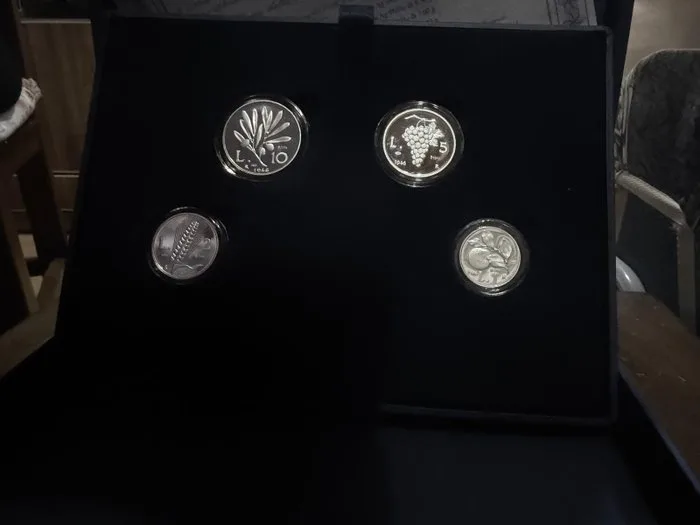
Italy. "Storia della Lira nella Repubblica Italiana" - Editalia/IPZS
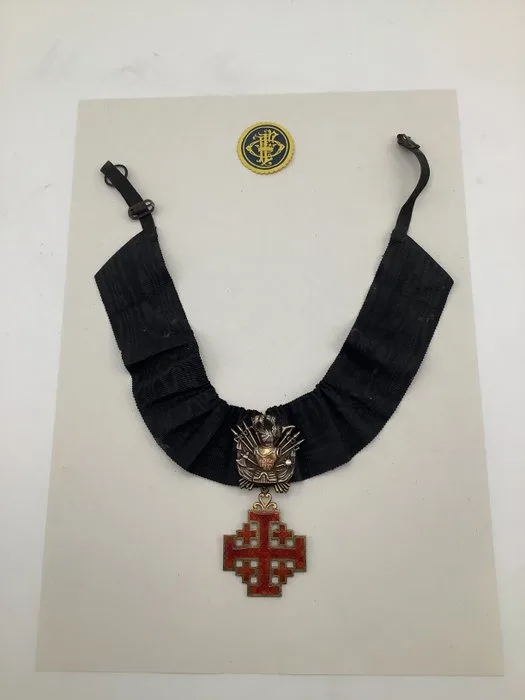
Italy, Papal State. Croce da Cavaliere “Commendatore”Ordine Equestre del santo Sepolcro di Gerusalemme
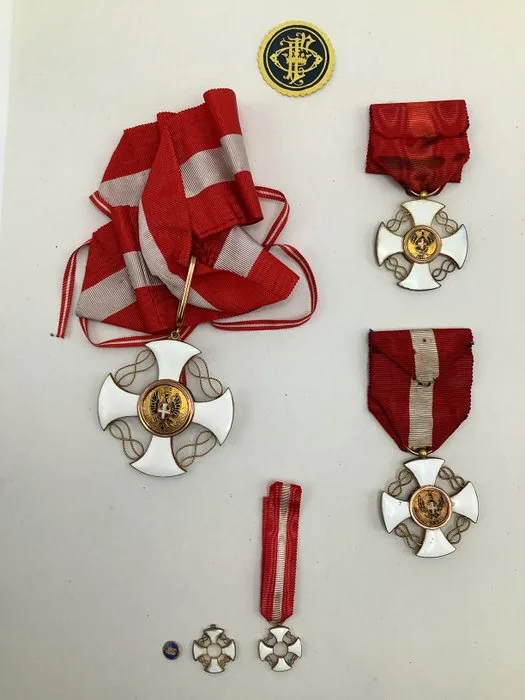
Italy. 1910-1940 Medaglia Commendatore dell’Ordine della Corona D’Italia con cofanetto
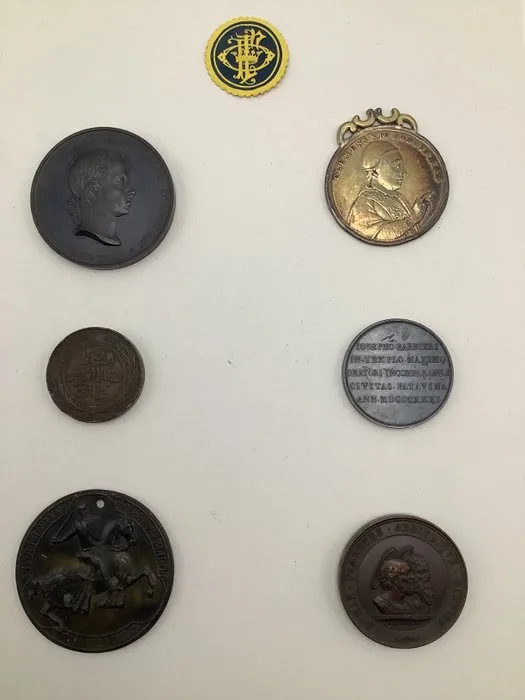
Italy, Papal States, Ottoman Tunisia. Various Set monete e medaglie 1773-1893
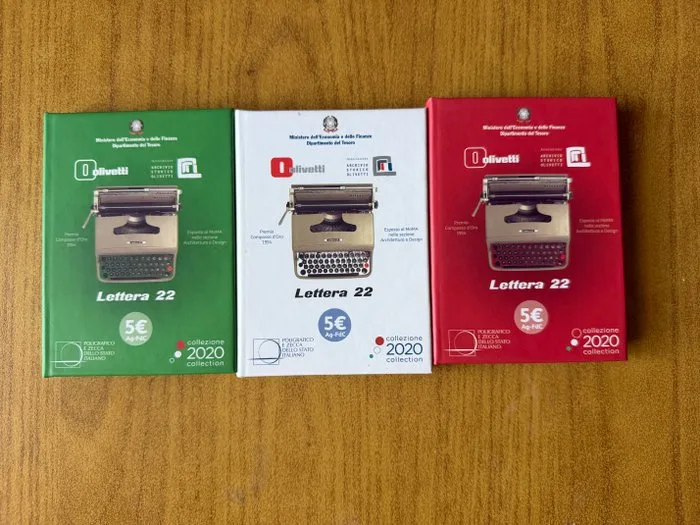
Italy. 5 Euro 2020 "Olivetti-Lettera 22" - Trittico
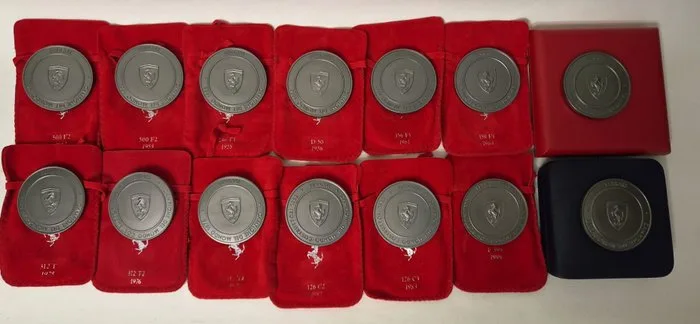
Italy. 15 medaglie in titanio 2001 Ferrari campione del mondo
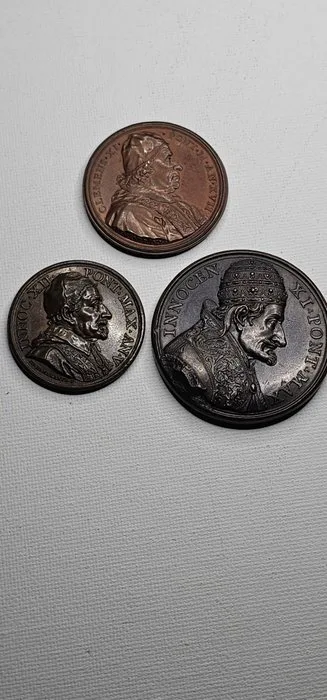
Italy, Papal State Set 3 Medals 1683, 1694, 1717 – probably later strikes
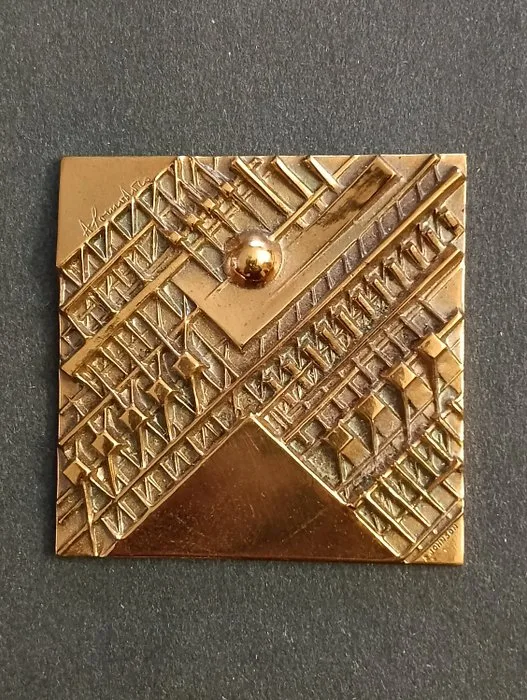
Italy - Medaglia scultorea commemorativa A. POMODORO per IMPREGILO S.p.A. - Commemorative token - 1989
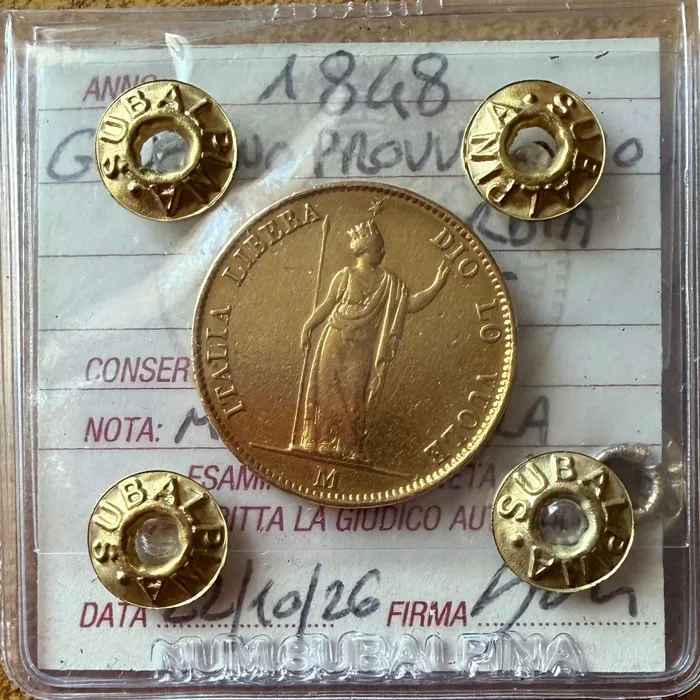
Italy, Kingdom of Lombardy-Venetia 20 Lire 1848
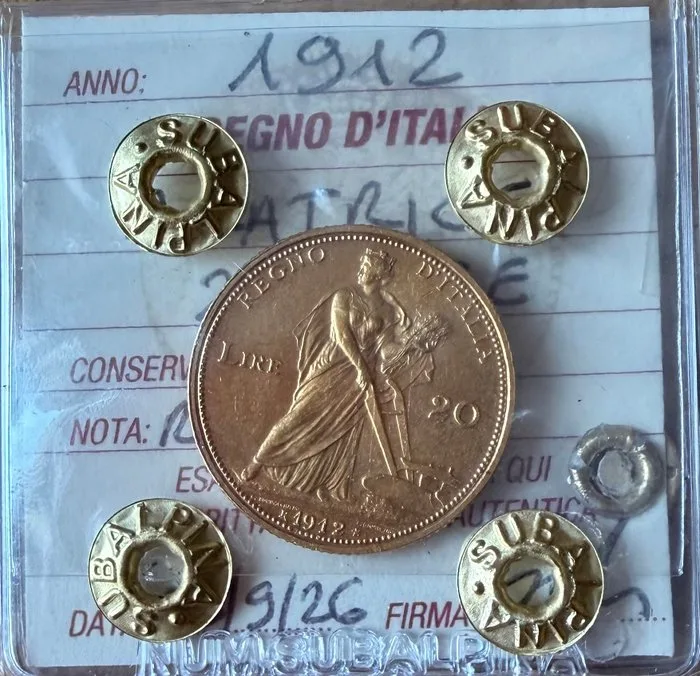
Italy, Kingdom Vittorio Emanuele III. 20 Lire 1912 "Aratrice"
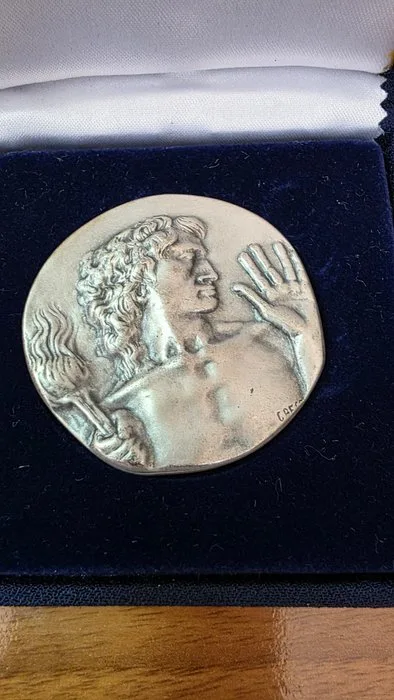
Italy. Medal Comitato Olimpico Nazionale Italiano - opus Greco
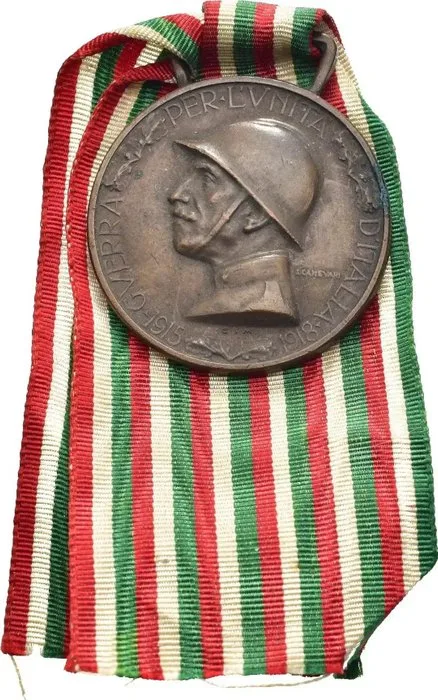
Italy. Medal Set 4 Medaglie - 2 in Ag, 1 Bronzo Dorato + "Coniata nel Bronzo Nemico" con nastrini
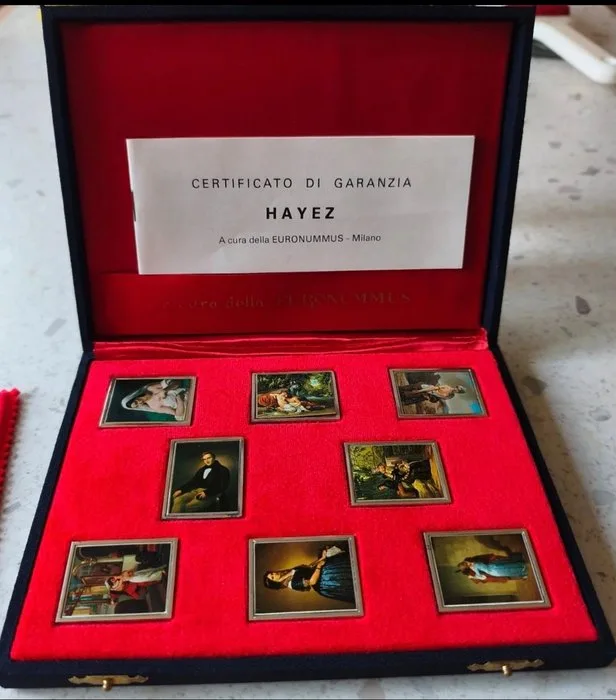
Art medal - Francesco Hayez - 150 gr Ag circa - Euronummus
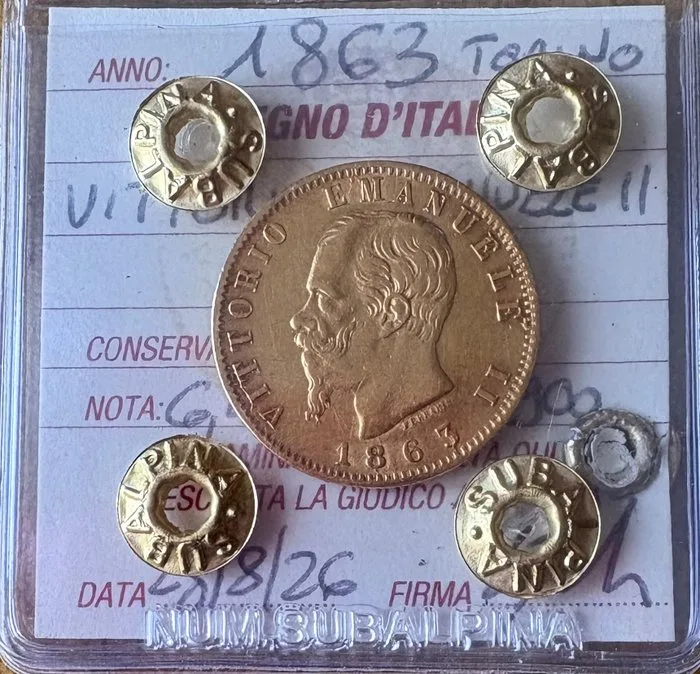
Italy, Kingdom Vittorio Emanuele II. 20 Lire 1863 - Torino
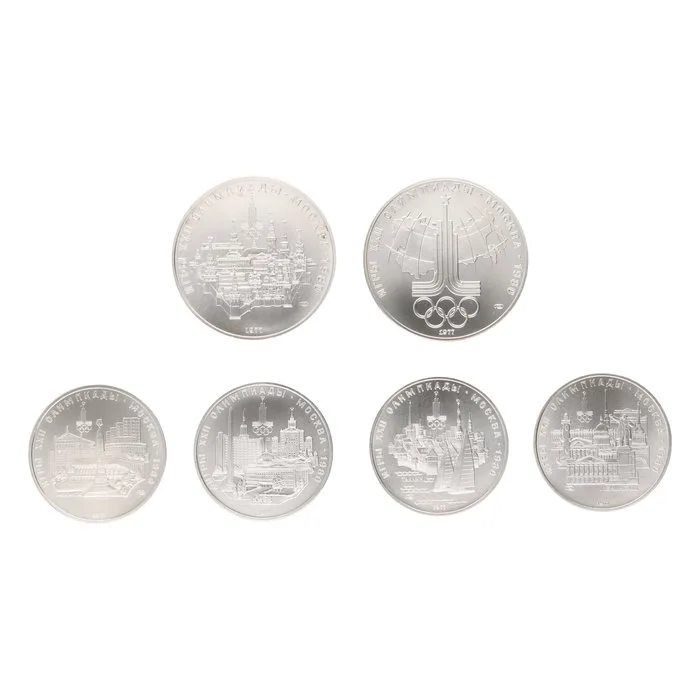
Russia. 5 & 10 Roubles / USSR 1977 - "1980 Summer Olympics, Moscow" (6 munten)
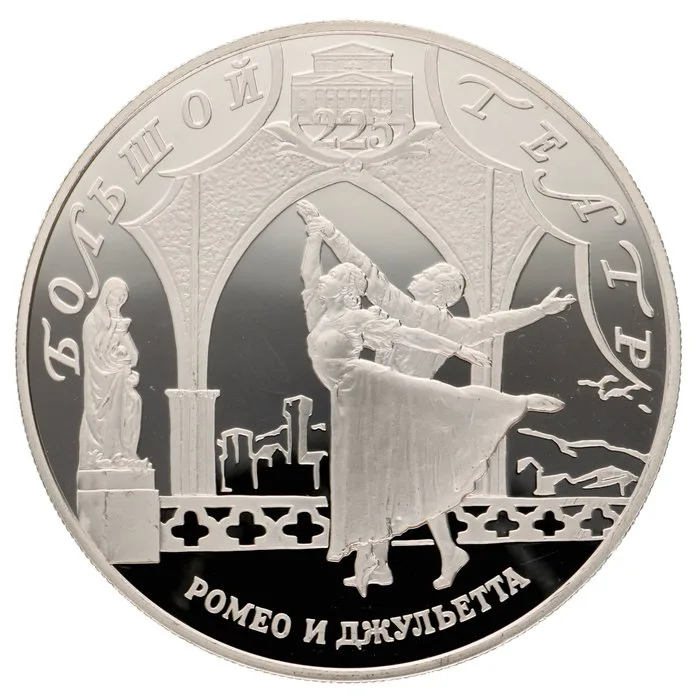
Russia. 25 Roubles 2001 - "Bolshoi Theater"
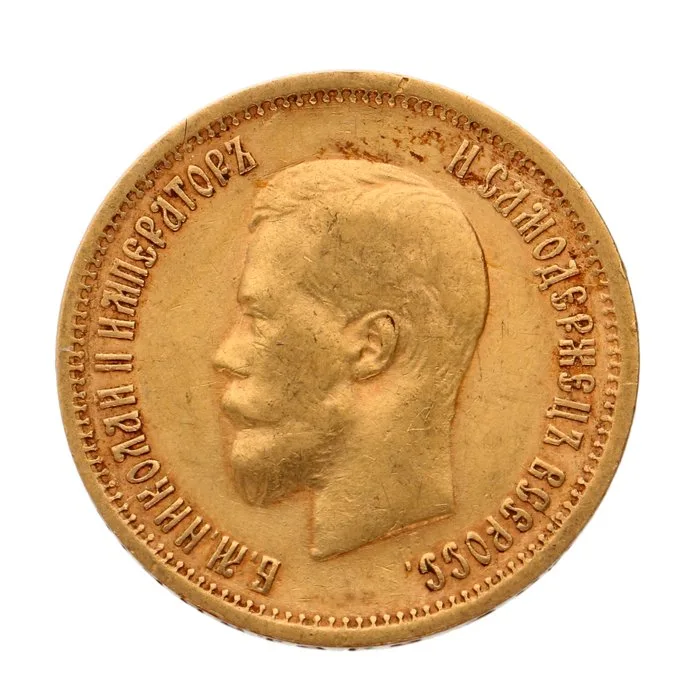
Russia. Nicholas II. 10 Roubles 1899 ЭБ VF
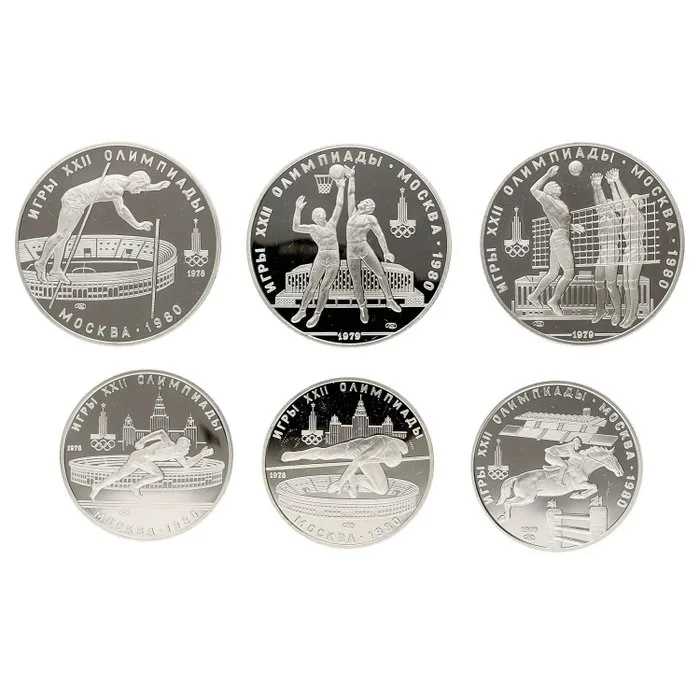
Russia. 5 & 10 Roubles 1978/1979 - "1980 Summer Olympics, Moscow" (6 munten)
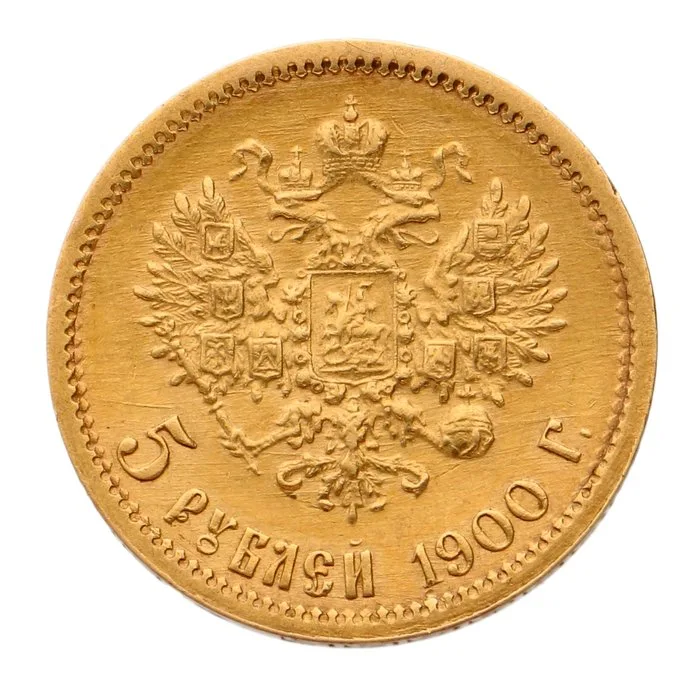
Russia. Nicholas II. 5 Roubles 1900 ФЗ - VF
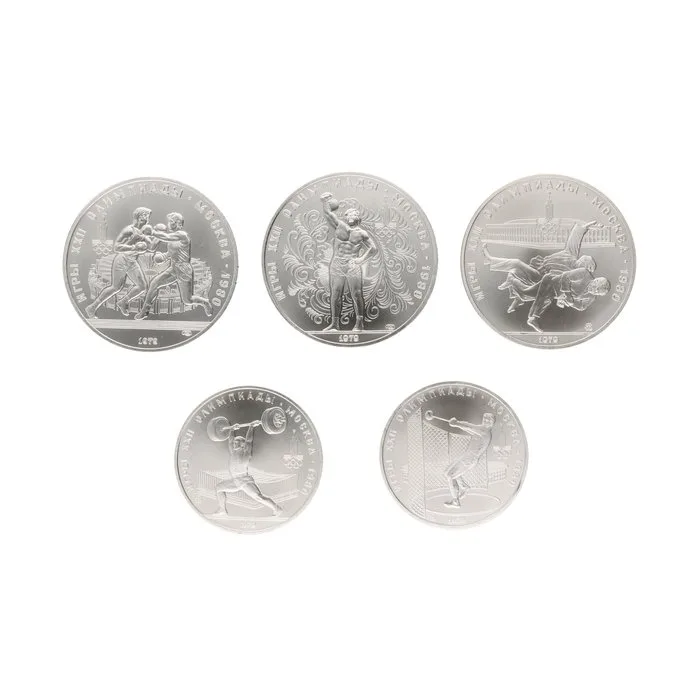
Russia. 5 & 10 Roubles 1979 - "1980 Summer Olympics, Moscow" (5 munten)
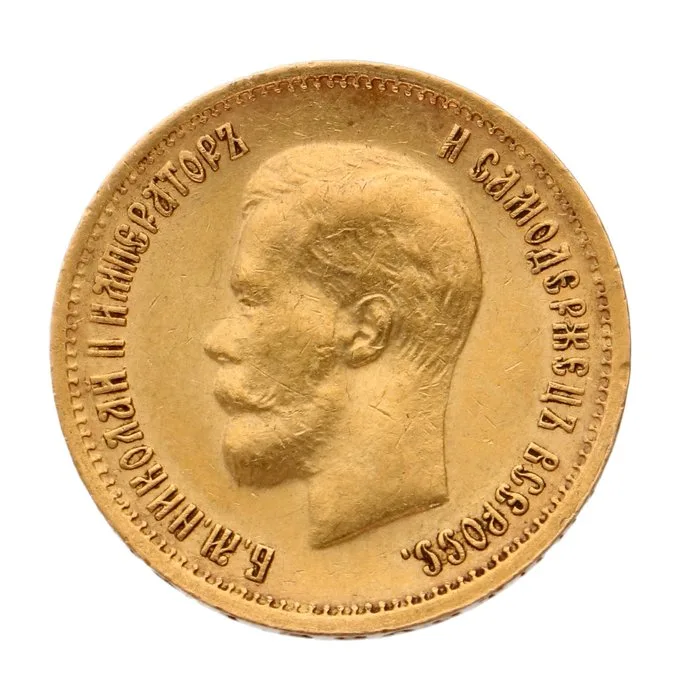
Russia. Nicholas II. 10 Roubles 1899 ФЗ - VF
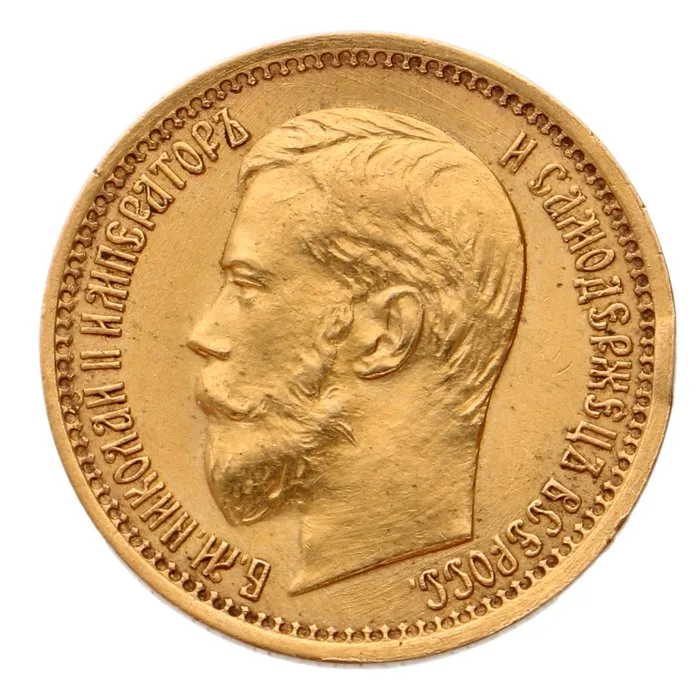
Russia. Nicholas II. 5 Roubles 1897 АГ - XF
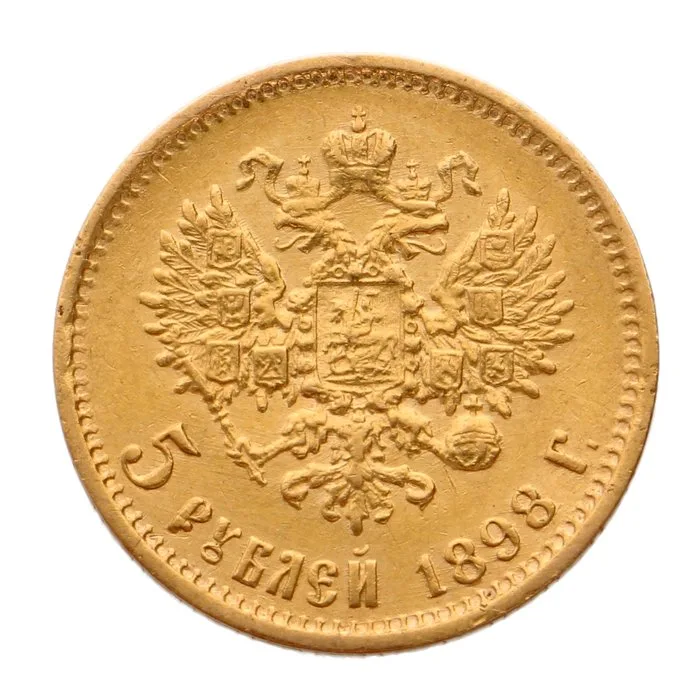
Russia. Nicholas II. 5 Roubles 1898 АГ - VF
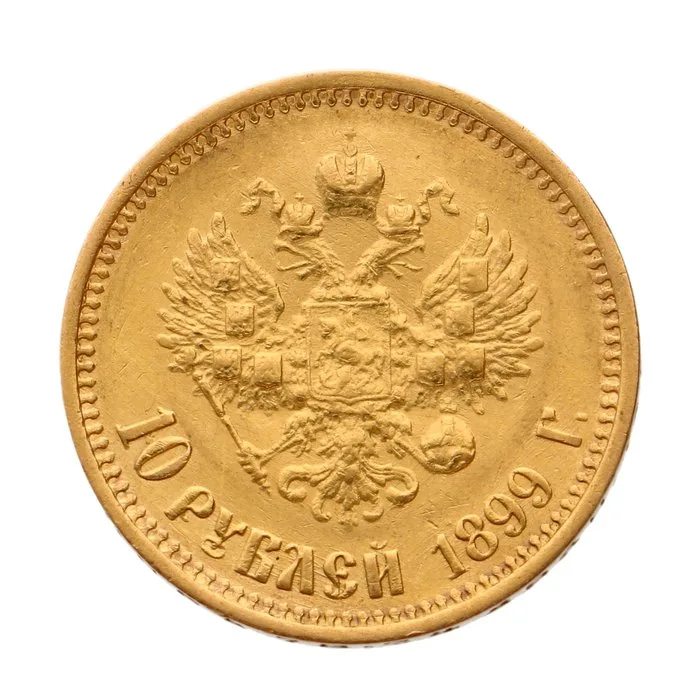
Russia. Nicholas II. 10 Roubles 1899 АГ - VF
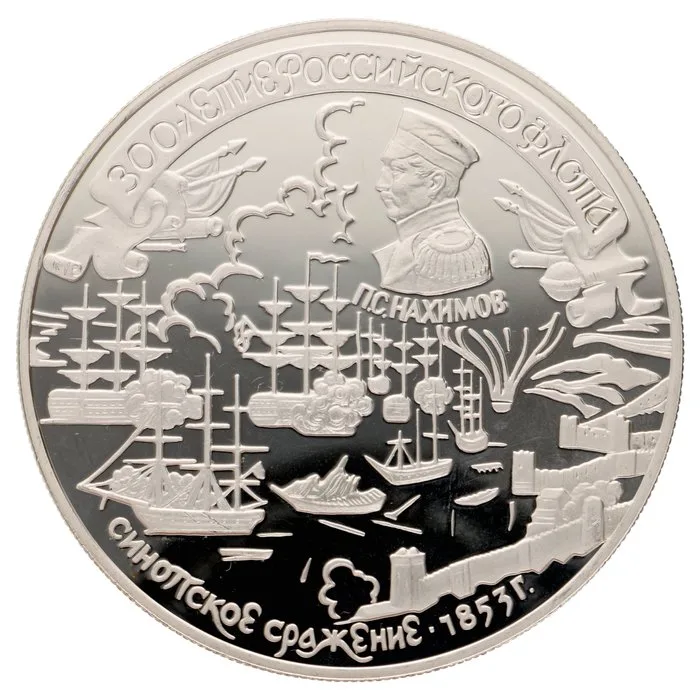
Russia. 25 Roubles 1996 - "Battle of Sinop"
What is in World Coins
Most coins here were struck between 1400 and 1900, with a large group from the twentieth century. Portugal, Italy, the Netherlands, Spain and France are the best represented countries, followed by Germany, Russia and the United Kingdom. Typical pieces include German reichstalers and convention thalers, Spanish 8 reales and escudos, Portuguese reis, French 5 and 20 francs of Napoléon III, Italian lire of Vittorio Emanuele III and British sovereigns. There are also medals and a few mixed collections.
Grading terms
Most coins are listed as ungraded, meaning the condition is described in words and photos rather than by a grading company. Some are sealed in NGC or PCGS holders, which use a scale from 1 to 70: MS (mint state) 60 and above means no wear from circulation, and AU means almost uncirculated. Other terms you will see:
- BU: brilliant uncirculated, with full original lustre.
- Proof: struck with polished dies for collectors, with mirror fields.
- FDC: fleur de coin, the European term for a flawless coin.
- Cleaned or details: a problem such as cleaning that lowers value.
What to check
Look at both sides in the photos for scratches, rim knocks and signs of cleaning, which leaves fine hairlines and an unnatural shine. Mint marks matter: the same date from two mints can differ greatly in scarcity. For a coin in a grading holder, you can look up the certificate number on the grading company's website.
Prices
Most coins here are between EUR 390 and EUR 3,000.
Frequently asked questions
What does 'ungraded' mean on a coin?
An ungraded coin has not been sent to a grading company such as NGC or PCGS, so it has no sealed holder or official numeric grade. Its condition is described in the text and shown in the photos. Many older European coins are traded ungraded, and buyers judge wear, strike and surface from the images and the written description.
What is a thaler?
The thaler (taler) was a large silver coin, usually around 25 to 29 grams, that became the standard in German-speaking lands from the early 1500s. It is named after the silver mines of Joachimsthal in Bohemia. German states, Austria and the Netherlands issued versions for centuries, including the reichstaler and the convention thaler. The word dollar comes from thaler.
How can I tell if a coin has been cleaned?
Cleaning usually leaves fine parallel hairline scratches, a bright, flat shine instead of natural lustre, and dirt left in the recesses around the design. Collectors value original surfaces and toning, so a cleaned coin normally sells for noticeably less than an uncleaned one in the same condition. Grading companies mark such coins as details or cleaned instead of giving a number grade.